Pidurangala Rock: The Best Viewpoint of Lion’s Rock in Sri Lanka 

Want the best view of Sigiriya? This is your full guide to Pidurangala Rock the best viewpoint of Lion’s Rock in Sri Lanka – when to go & what to pack.

When I visited Sri Lanka in 2023, I had a long list of must-sees. But there’s one place that completely exceeded my expectations — Pidurangala Rock. You’ve probably heard of Lion’s Rock (Sigiriya), but what if I told you the real magic is found just next door? This post is your go-to guide for Pidurangala Rock: the best viewpoint of Lion’s Rock — and the place that ended up being one of the absolute highlights of my entire trip. It gives you that iconic view of Sigiriya that you’ve seen all over Instagram — without the crowds and hefty price tag. 

Whether you’re a solo traveller, backpacker, or just someone who appreciates hidden gems, this guide will show you why Pidurangala needs to be on your Sri Lanka itinerary — plus how to get there, what to bring, when to go, and all the tips I wish I had known before going. 
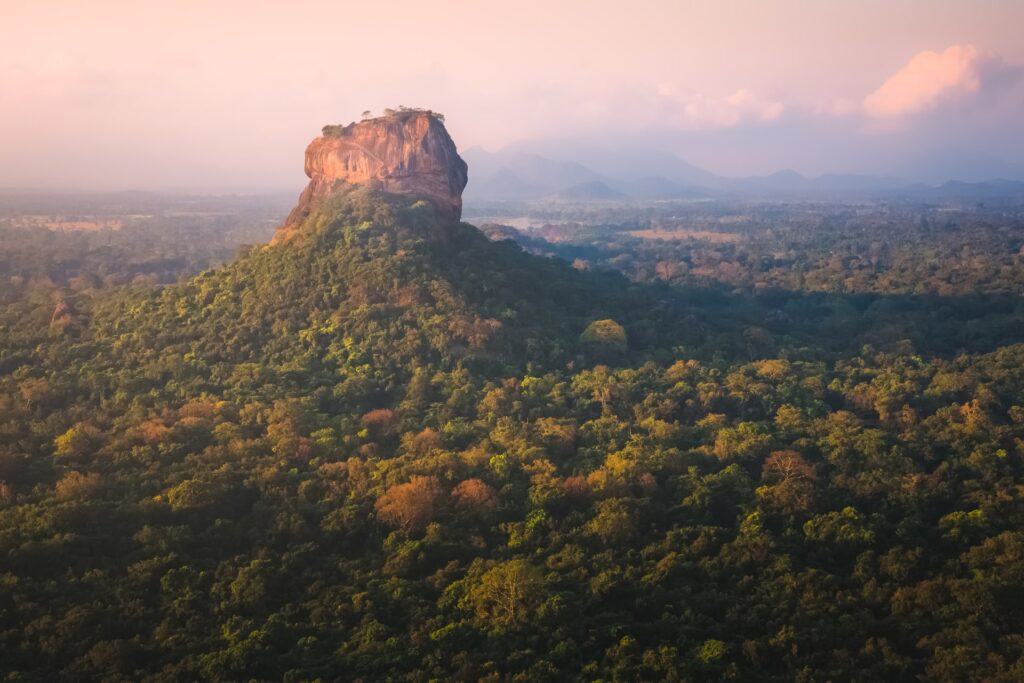
Pidurangala Rock the best viewpoint of Lion's Rock

Why Pidurangala Rock Is the Best Viewpoint of Lion’s Rock 

I saw both Lion’s Rock and Pidurangala, and if I’m being totally honest — Pidurangala was the one I’d go back to. Here’s why: 

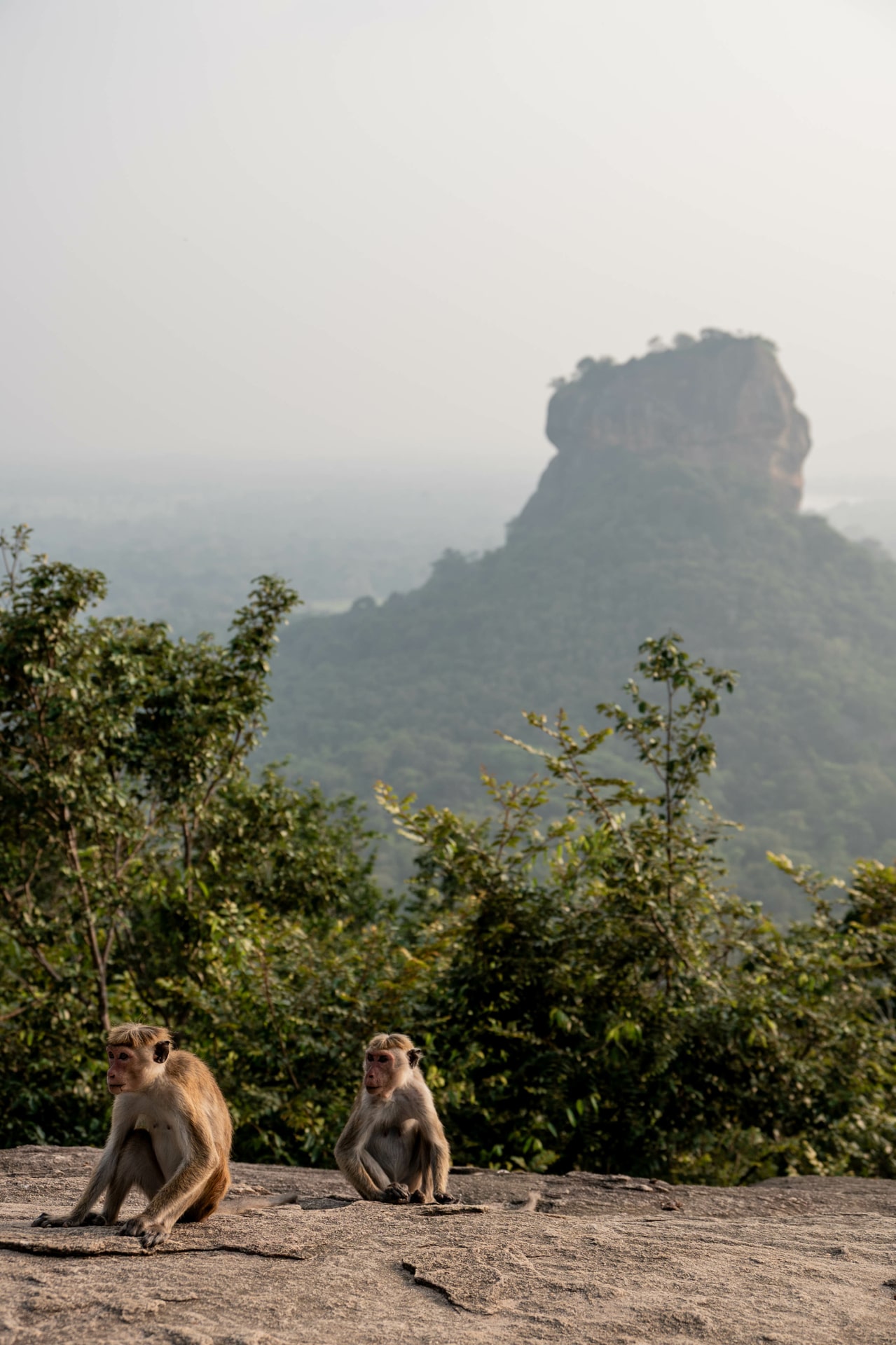
  • The view of Lion’s Rock rising out of the jungle is absolutely surreal. It’s postcard-perfect and so rewarding after the short hike. 
  • It costs a fraction of the price — just 500 LKR (about $1.50 USD). 
  • The vibe is calmer, more local, and less touristy. 
  • You can catch sunrise or sunset without the huge crowds you get at Sigiriya. 
  • I remember sitting at the top as the sun rose behind Lion’s Rock, the sky turning cotton-candy pink, and not a sound except birds and a few quiet whispers. It felt sacred, special, and unforgettable — one of those travel moments that sticks with you long after you leave. 

Pidurangala Rock the best viewpoint of Lion's Rock

Where is Pidurangala Rock?

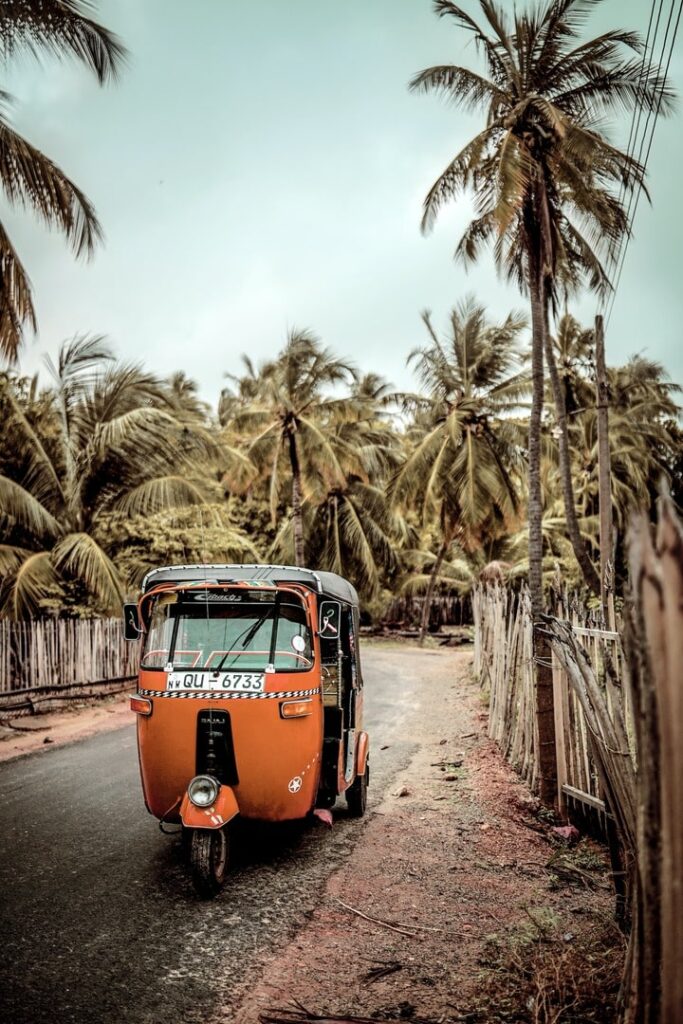
Located just a 5-minute tuk-tuk ride from Sigiriya, Pidurangala is nestled in Sri Lanka’s Cultural Triangle. If you’re heading to or staying near Dambulla, Habarana, or Sigiriya, it’s super easy to add this to your trip. 

  • From Sigiriya: 1.5 km / 5 mins by tuk-tuk 
  • From Dambulla: ~30 minutes 
  • From Kandy: 2.5–3 hours 
  • From Colombo: ~4–5 hours drive 

Just enter “Pidurangala Temple” in Google Maps — the hike starts right behind the temple complex. 

How to Get to Pidurangala Rock: The Best Viewpoint of Lion’s Rock 

Pidurangala Rock is located just 1.5 km north of Sigiriya Rock Fortress in central Sri Lanka. Here’s how to get there: 

  • From Sigiriya: If you’re staying in Sigiriya village, you can walk, cycle, or take a tuk-tuk to the Pidurangala Temple entrance. It’s only a 5–10 minute ride. 
  • From Dambulla: Dambulla is the nearest large town (25 mins away). Buses and tuk-tuks are available, or you can arrange a ride through your hotel. 

Entrance Location

Head to Pidurangala Raja Maha Viharaya (Buddhist temple), where the trail to the summit begins. 
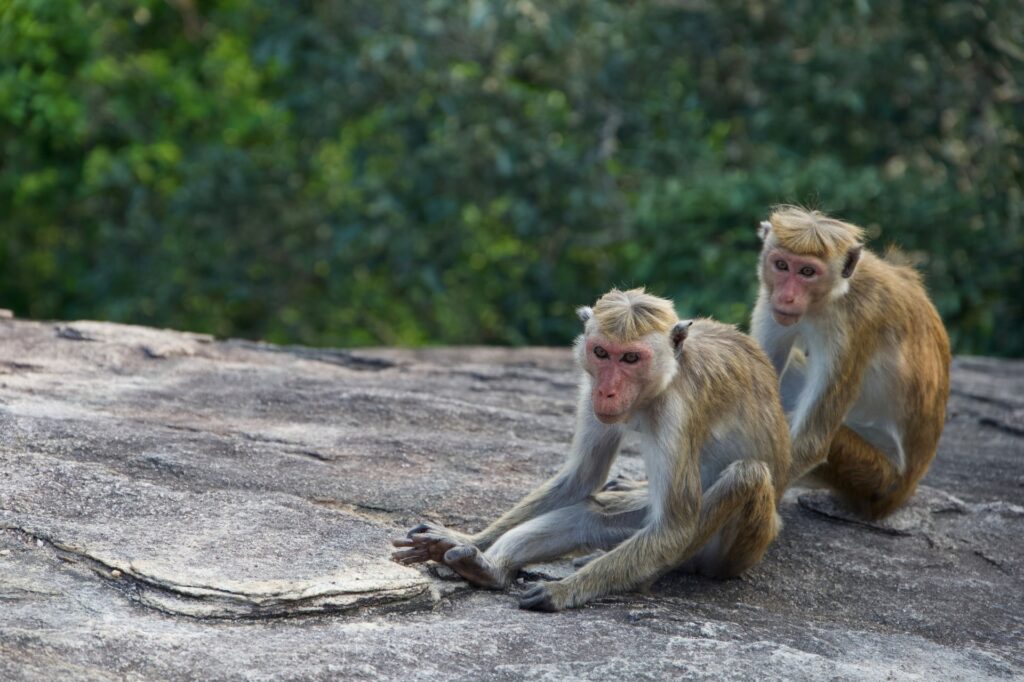
Monkeys on Pidurangala Rock

Pidurangala Rock Entrance Fee & Hours 

  • 💰 Entrance Fee: 500 LKR (approx. $1.50 USD) – a donation to the temple 
  • 🕓 Opening Hours: 5:00 AM – 6:00 PM (arrive early for sunrise!) 

Note: Entry requires passing through a functioning Buddhist temple, so modest dress (covered shoulders and knees) is required at the base. 

The Hike: What to Expect 

  • The trail is short and rewarding, even if you’re not a seasoned hiker. 
  • ⏱ Duration: 30–40 minutes 
  • 📏 Distance: ~1 km 
  • 🧗‍♀️ Difficulty: Easy to moderate (short scramble at the end) 

Trail Highlights: 

  • Stone steps wind through jungle and boulders. 
  • Midway, you’ll pass a huge reclining Buddha statue carved into the rock. 
  • The final section requires some light climbing over rocks (use your hands — it’s fun and quick). 
  • At the top: 360° views of Lion’s Rock, surrounding jungle, lakes, and mountains. 

The trail is not difficult, but wear proper shoes with grip. Flip-flops are not recommended. 
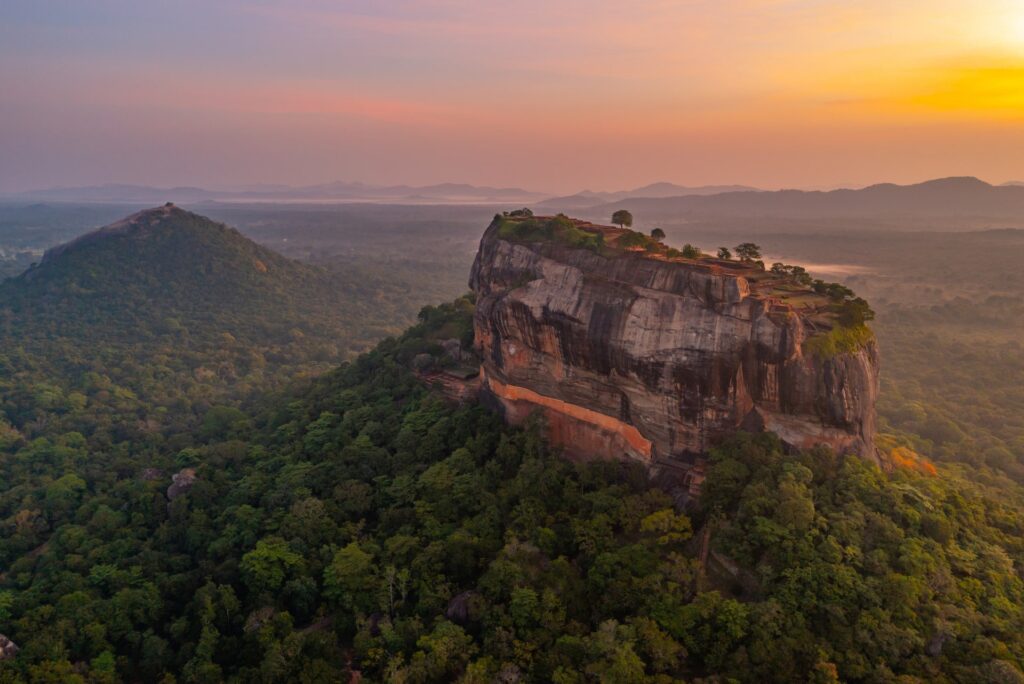
Pidurangala Rock the best viewpoint of Lion's Rock

Best Time to Visit Pidurangala Rock for the View 

To make the most of Pidurangala Rock: the best viewpoint of Lion’s Rock, timing is everything. 

Visiting during Sunrise (Recommended) 

  • Why: Watch the sun rise directly behind Lion’s Rock — truly breathtaking. 
  • When to Arrive: Aim to start your hike by 5:15 AM. Bring a flashlight or headlamp. 
  • Crowds: Fewer people, peaceful atmosphere. 

Visiting during Sunset 

  • Why: Golden-hour lighting on Lion’s Rock is spectacular. 
  • When to Arrive: Start your climb around 4:30 PM
  • Crowds: Slightly busier than sunrise but still manageable. 

What to pack for Pidurangala Rock Hike

  • Comfortable walking shoes or trail runners 
  • Daypack 
  • Water (no vendors at the top!) 
  • Hat + sunscreen (especially for sunset) 
  • Light jacket (it can be chilly at sunrise) 
  • Sunglasses 
  • Modest clothing (cover shoulders/knees at temple) 
  • Flashlight or phone with torch (for early morning climbs) 
  • Camera or phone — this view deserves it! 

How Crowded Is Pidurangala Rock? 

While not as crowded as Sigiriya, Pidurangala is no longer a secret. That said: 

  • Sunrise: Generally quieter — you may share the top with 10–30 people. 
  • Sunset: More popular with tour groups, especially in high season. 
  • Midday: Very hot and less scenic — not recommended. 

My Insider Tips 

  • Go on your first day in Sigiriya, not your last — weather can change fast, and the view is worth re-trying if it’s cloudy. 
  • Don’t stop at the first big rock — walk to the far end of the summit for a wider view and fewer people. 
  • Stay a few extra minutes after the crowds leave. That quiet moment alone at the top? Pure magic. 
  • Avoid mid-day — it’s brutally hot and not ideal for photos. 
Nearby Experiences to Combine with Pidurangala Rock 

If you’re in the Sigiriya area, make the most of your visit with these nearby attractions: 

Sigiriya Rock Fortress 

  • Ancient royal palace + UNESCO site 
  • Frescoes, gardens, and lion’s paw entrance 
  • Go here after Pidurangala if you want to visit both. 

Dambulla Cave Temple 

  • 30 minutes away 
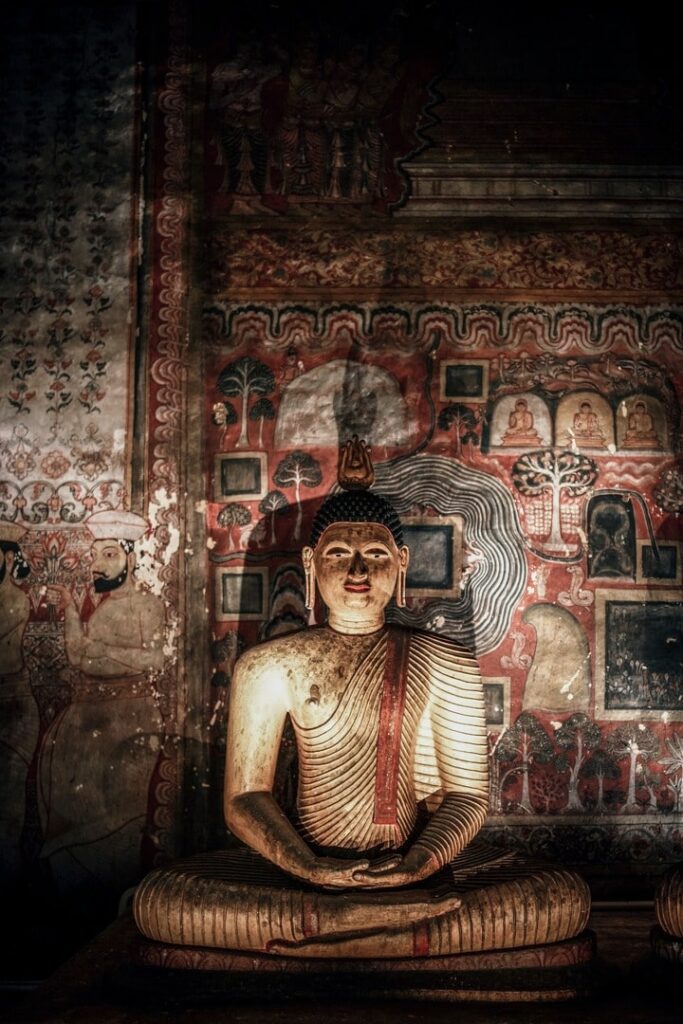
  • Stunning cave shrines filled with Buddha statues and frescoes 

Minneriya or Kaudulla National Park 

  • Safari with the chance to see wild elephants during the “Gathering” (Aug–Oct) 
  • Book an early morning or late afternoon tour 

Hiriwadunna Village Tour 

  • Authentic rural village experience 
  • Bullock cart rides, lake canoeing, and local cooking demos 

Best Hotels Near Pidurangala Rock and Sigiriya 

Here are the top-rated, Instagram-worthy accommodations perfect for a night or two: 

Aarunya Nature Resort & Spa 

  • Private villas, infinity pools, jungle luxury 
  • Ideal for honeymooners or a splurge night 

Jetwing Vil Uyana 

  • Eco-luxury in a private wetland reserve 
  • Overwater chalets with private plunge pools 

EKHO Sigiriya 

  • Affordable boutique hotel with direct views of Lion’s Rock 
  • Great balance of location, comfort, and price 

Aliya Resort & Spa 

  • Gorgeous pool views of Lion’s Rock 
  • Perfect for couples or solo retreats 

Sigiriya Rock Hide 

  • Budget-friendly, clean, and close to the entrance 
  • Ideal for backpackers or short stays 
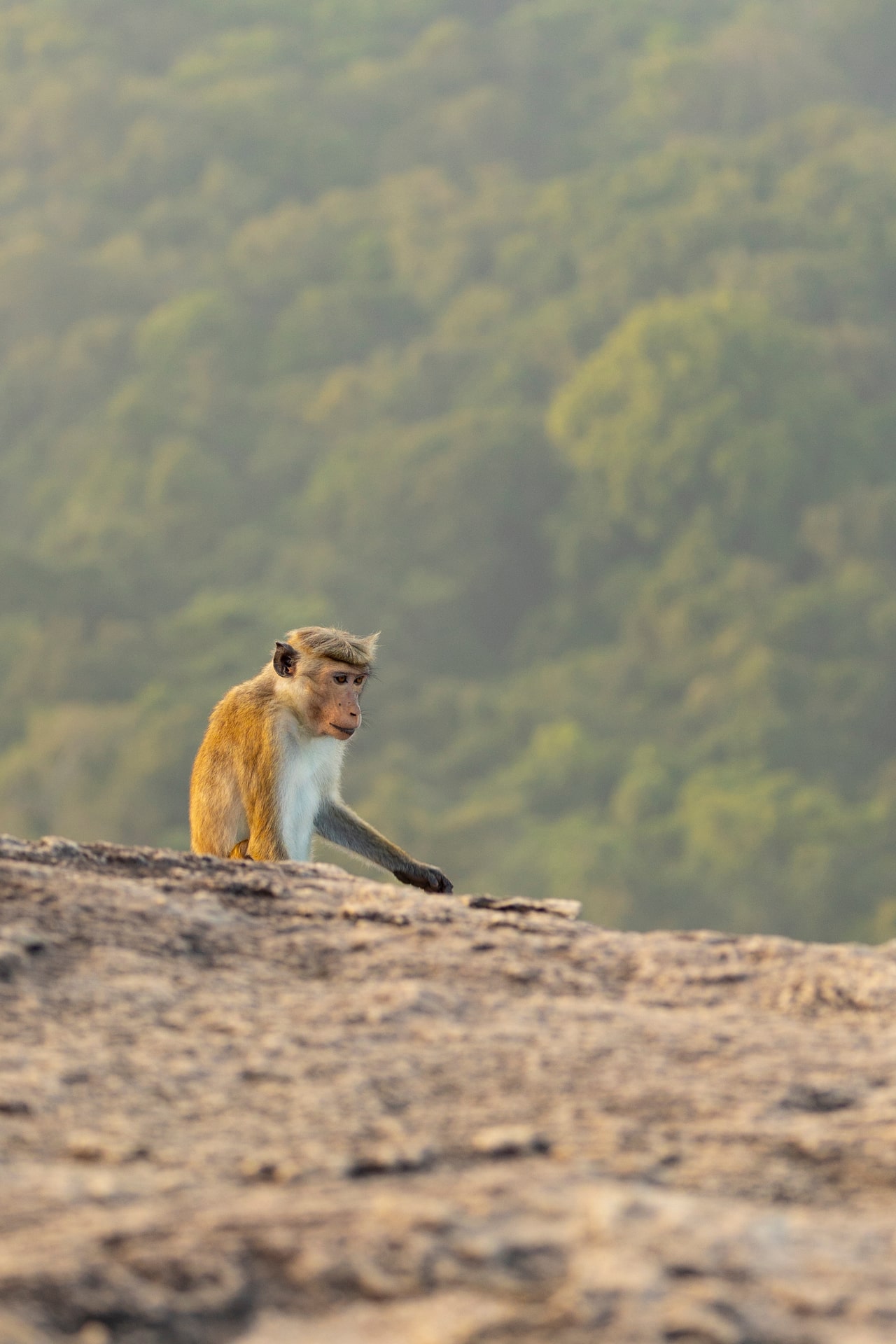
Monkey on Pidurangala Rock

Final Tips for Visiting Pidurangala Rock: The Best Viewpoint of Lion’s Rock 

  • Go Early in Your Trip: Weather cancellations are common — give yourself buffer days! 
  • Download Maps Offline: Cell service can be patchy 
  • Respect the Temple Grounds: Keep noise to a minimum and dress appropriately 
  • Stay After the Hike: Spend time enjoying the peace at the summit before heading down 
  • Leave No Trace: Carry out all trash, especially plastic bottles 

Final Thoughts: Is Pidurangala Rock Worth It? 

In a word: YES

I’ve traveled a lot, and Pidurangala Rock was one of the most memorable experiences of my 2023 trip. It’s the perfect blend of adventure, peace, natural beauty, and local charm — and that view of Lion’s Rock? You won’t believe it until you see it. 

If you’re deciding between climbing Sigiriya or Pidurangala — or considering both — make Pidurangala your first stop. It’s more personal, more photogenic, and more rewarding than you might expect. 
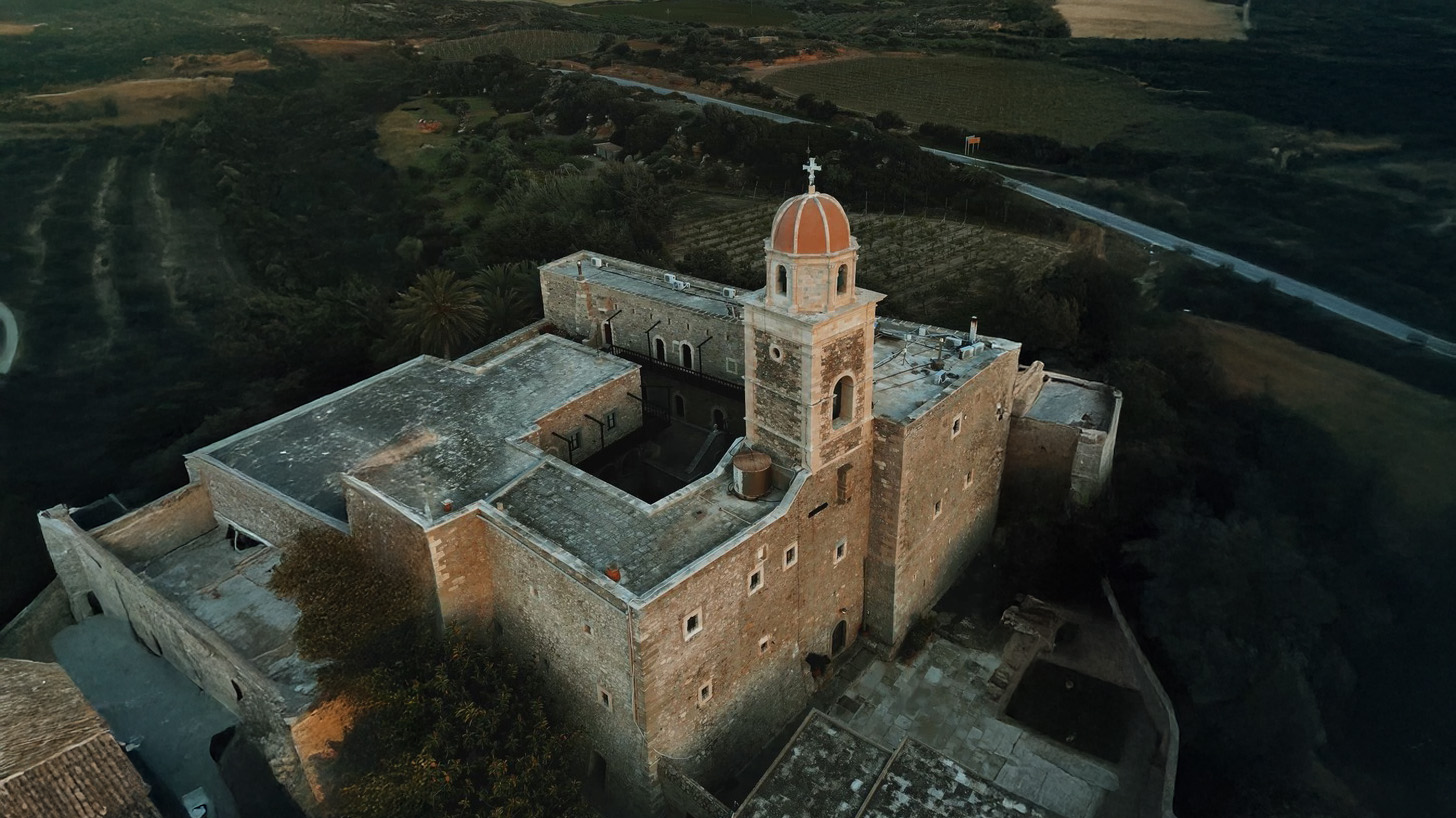
Sitia Crete: Everything You Need to Know Before You Go

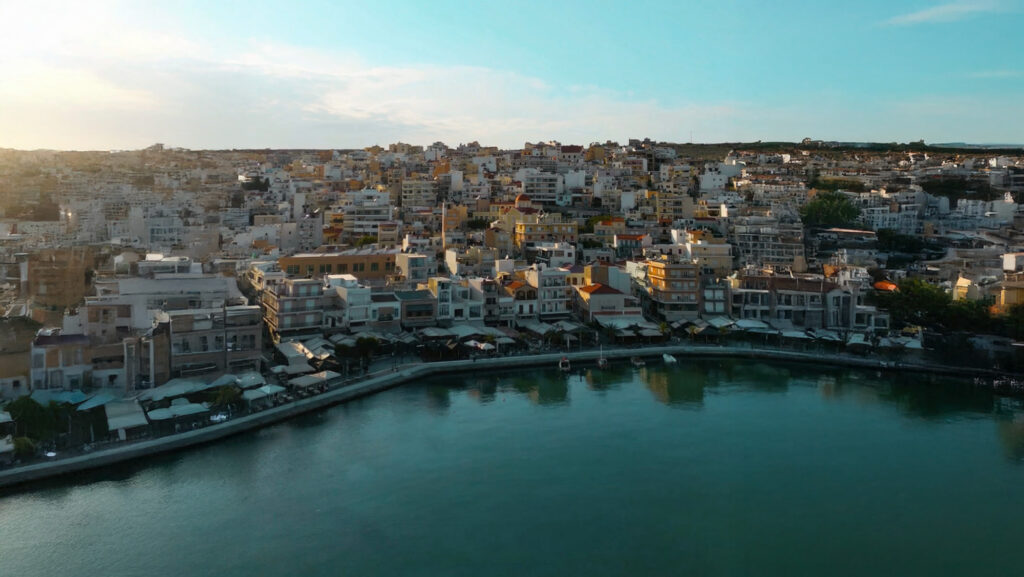
When people think of Crete, they often imagine bustling Chania or historic Heraklion – but if you’re craving untouched beaches, mountain villages, and culture that hasn’t been overrun by tourism, let me introduce you to Sitia, Crete. I visited in April 2025, and it was honestly one of the most memorable travel experiences I’ve ever had.

In this blog, I’ll walk you through why you should go, how to get there, the must-see sites, where to eat, where to stay, and everything I wish I had known before visiting. 

Whether you’re planning your next Mediterranean escape or just daydreaming, this is the most complete guide you’ll need for visiting Sitia, Crete

Toplou Monastery Sitia Crete

Is Sitia, Crete worth visiting? 

I’ll be honest – I almost skipped Sitia. But I’m so glad I didn’t. Here’s why you shouldn’t either: 
  • It’s home to some of Crete’s clearest, most secluded beaches (and yes, you’ll find a palm forest). 
  • Incredible wineries and monasteries – including one that lets you taste award-winning wine made by monks. 
  • It’s one of the few towns on Crete where you can still feel like you’re exploring somewhere authentic and unspoiled
  • Hiking, history, and quiet hilltop villages – all without the tourist crowds. 
  • It’s much more affordable than the more popular parts of Crete. 

How to Get to Sitia, Crete 

Travelling to Sitia By Air

Sitia has its own airport (JSH) with domestic flights from Athens via Sky Express and Aegean. It’s small, efficient, and just a 5-minute drive from the centre. 

  • Tip: Flights fill up in summer – book early if traveling July–September 
  • Flight from Athens → Sitia: ~1 hour 

Travelling to Sitia By Car

If you’re already in Crete, the best way to get to Sitia is by driving – and the coastal route from Agios Nikolaos is jaw-droppingly beautiful. Click here to view local car rental options

  • From Agios Nikolaos: 1.5–2 hours 
  • From Heraklion: 2.5–3 hours (this is what we did, and found the drive really pleasant) 

Travelling to Sitia by Ferry

Ferries to Sitia run from other Greek islands like KarpathosKasos, and Rhodes, especially during high season. 

Best Time to Visit Sitia Crete

Best Months: 

  • May–June: Warm, quiet, ideal for hiking and sightseeing 
  • September–October: Sea still warm, fewer crowds 
  • July–August: Great for beaches, but hotter and busier

Best to Avoid:

  • November–March: Many tourist services close, some remote areas inaccessible 

What to See and Do in Sitia, Crete 

1. Toplou Monastery (and Wine Tasting) 

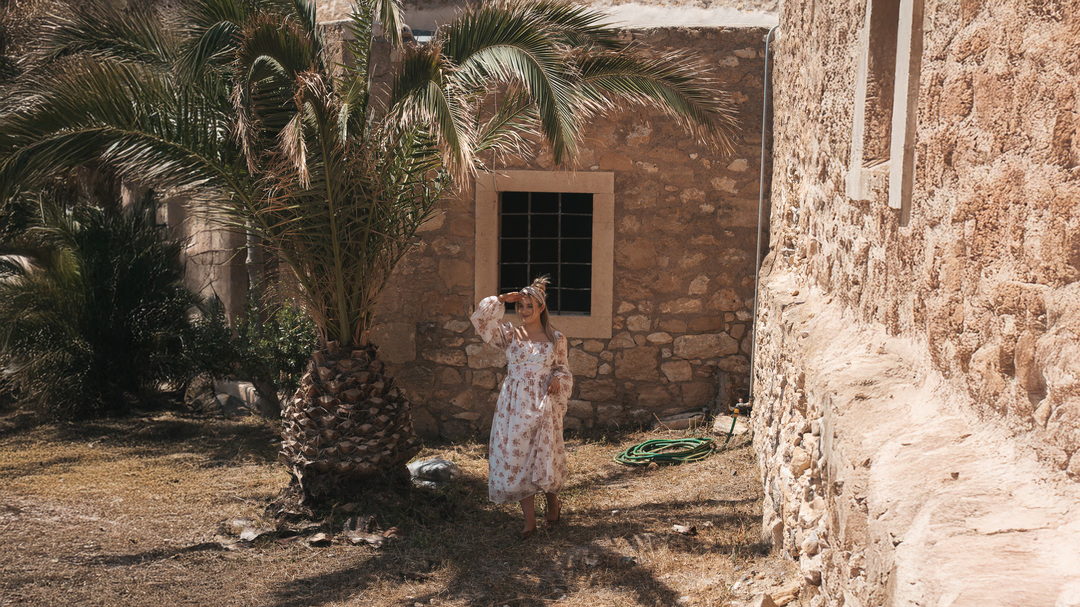
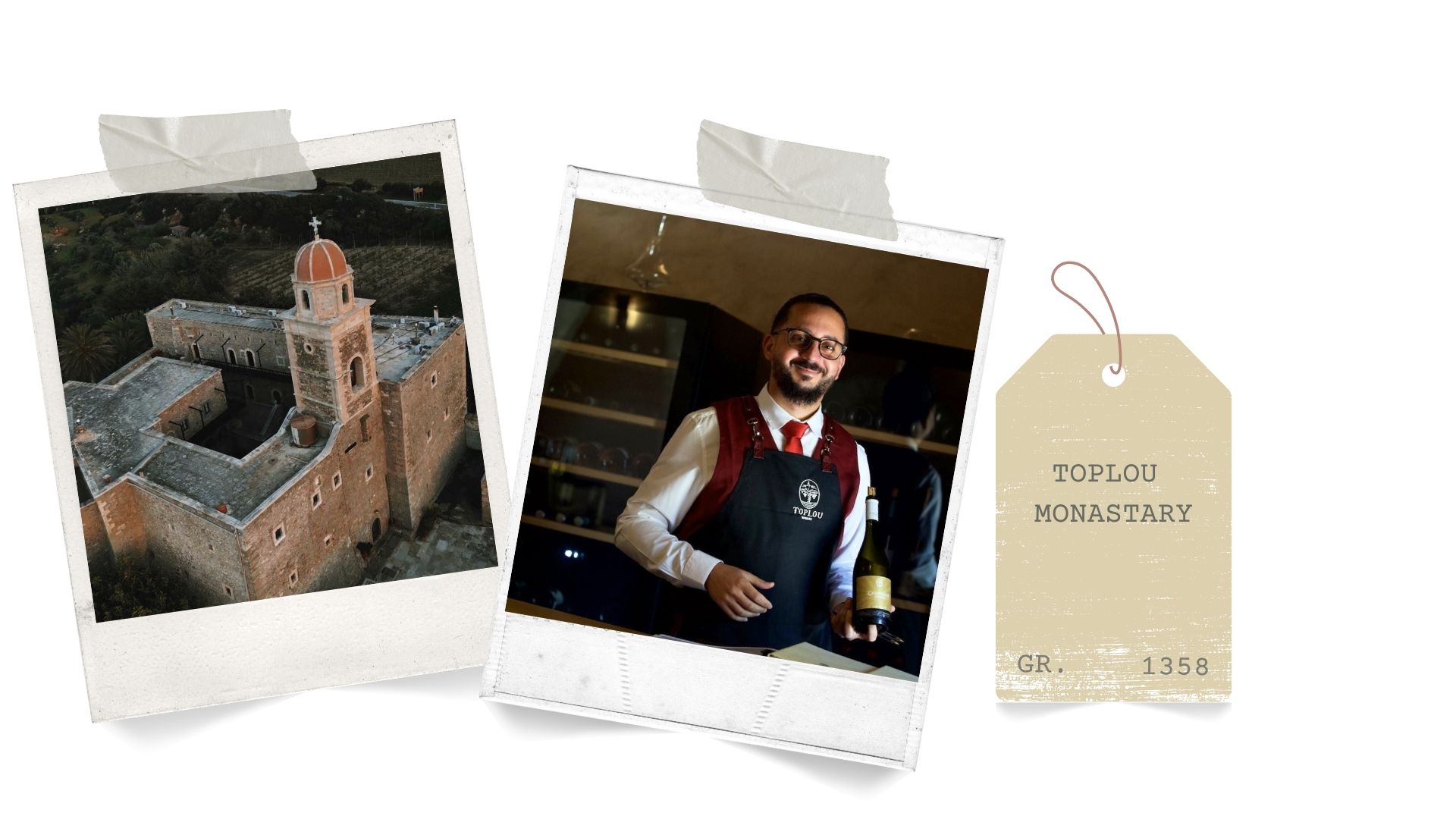
This 15th-century fortress-like monastery blew me away – it’s not only a spiritual site but also a functioning organic winery

  • 🏛️ Explore the beautifully preserved monastery and museum 
  • 🍷 Wine tasting includes local varietals like Vilana and Liatiko 
  • 💶 Entry: €4, wine tasting extra (€8–€12 depending on flight) 
  • 🏞 Don’t miss the windmill next to the monastery – one of the most photogenic stops of my trip and if you drive back around 7-8pm you’ll see goats on the roads! 

2. Vai Beach & Palm Forest 

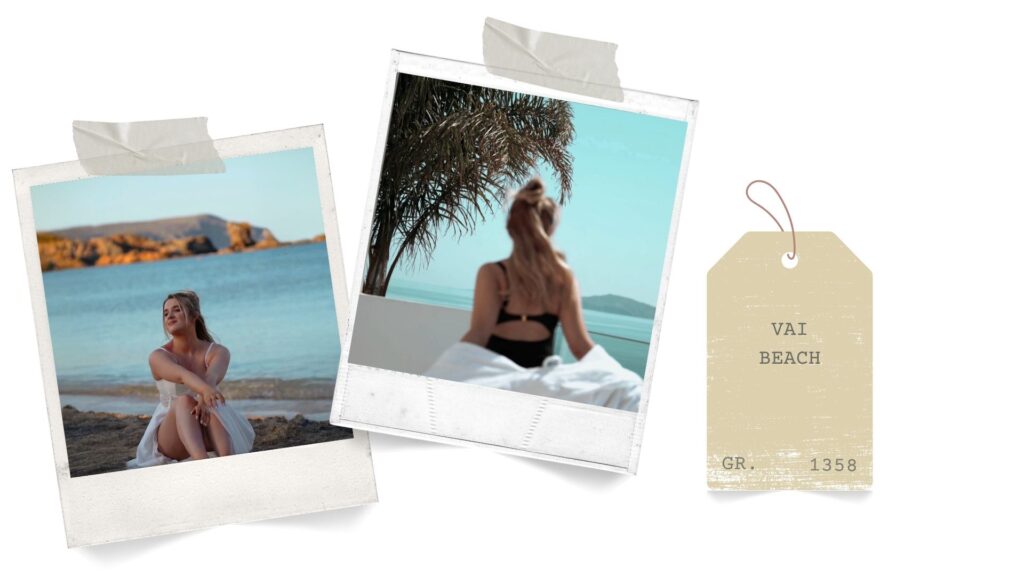
Yes, a natural palm forest in Europe – Vai is one of the most exotic-looking beaches I’ve ever visited. 

  • 🌊 Crystal-clear turquoise water 
  • 🌴 Home to the largest natural palm grove in Europe 
  • 🍽 Beach tavernas available, though a bit pricey 
  • 📸 Go early to get a quiet spot under the trees 

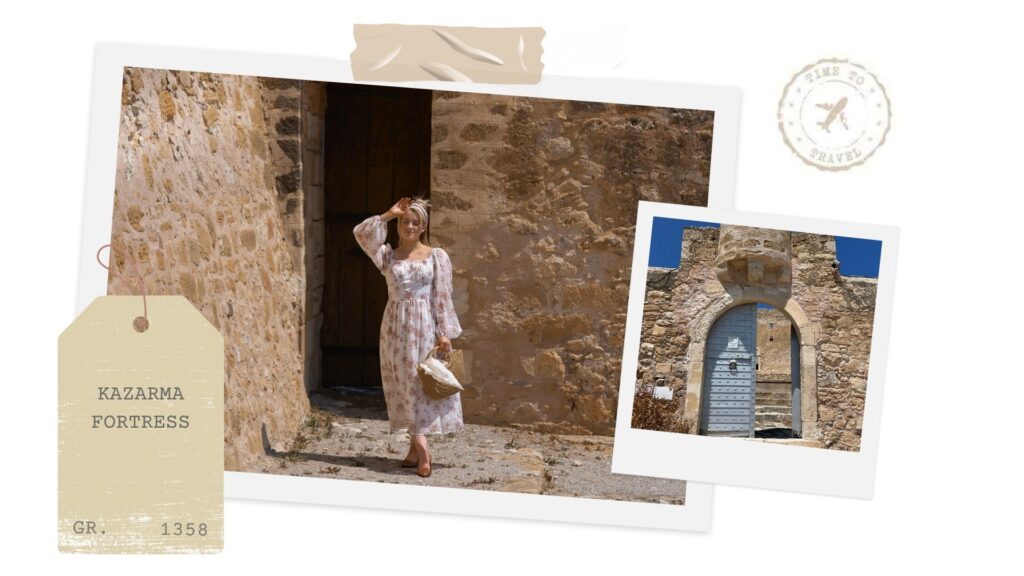
3. Kazarma Fortress (Sitia Town) 

Right in the heart of Sitia town, this 13th-century Venetian fortress gives you great views and a bit of history. 

  • 💶 Entry: €2 
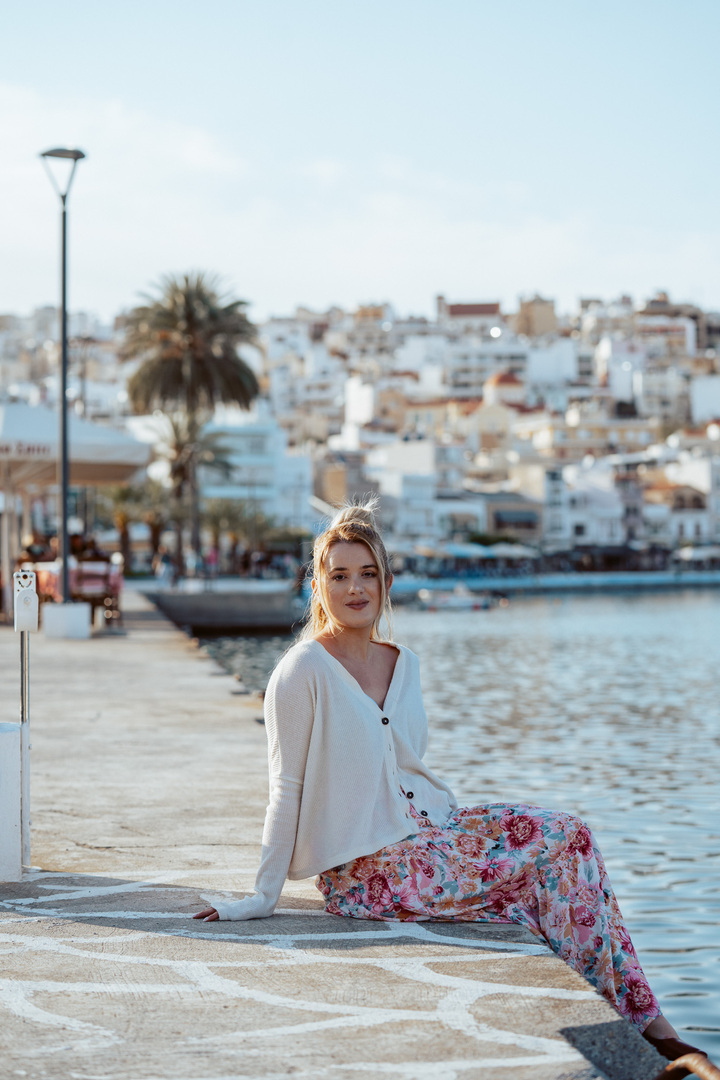
  • 📸 Great for golden hour photos over the harbor 

4. Chiona Beach 

One of the quietest beaches I visited – calm, local, and lined with laid-back tavernas serving fresh seafood. Fancy staying a bit longer? Head to “Psaropoula” taverna or Chiona Fish Tavern for grilled octopus and incredible fresh seafood.

5. Erimoupoli Beach & Ancient Itanos 

A hidden treasure – this beach is backed by ruins of an ancient Greek city (Itanos) and is rarely crowded. 

  • 🏺 You can explore three excavation zones 
  • 🧘‍♀️ Bonus: It’s often used by naturists, so choose your spot wisely! 
Kazarma Fortress Sitia Crete

6. Maridati Beach 

An unspoiled pebble beach framed by dramatic cliffs and olive trees – pack snacks, there are no facilities. 

💡 Perfect for a swim stop after visiting Toplou Monastery 

7. Richtis Gorge & Waterfall 

One of the prettiest hikes in Crete. You’ll walk through dense forest, past stone bridges, and end at a magical waterfall. 

  • 🚶‍♀️ Hike: ~2–2.5 hours round trip 
  • 🥾 Moderate difficulty (rocky in parts) 
  • 💦 Bring water shoes if you want to swim under the falls 

8. Hamezi Village 

Tiny, traditional, and totally off the beaten path. Come for lunch, a coffee with locals, or to admire the stone architecture. 

🍽 Visit “To Petrino” for homemade Cretan dishes 

9. Kalavros Village 

Another peaceful escape – less visited than other mountain villages. A great stop if you’re road-tripping inland.

Where to Stay in Sitia, Crete 

Best Hotels in Sitia: 

PORTO KAZA(where we stayed!)

A charming boutique hotel that feels both stylish and personal, Porto Kaza is located right next to the historic Kazarma Fortress, offering views that tie in beautifully with the town’s character. Each unit includes a well-equipped kitchenette, perfect for longer stays or travellers who enjoy a little independence. What really sets it apart are the thoughtful extras such as local food tastingstraditional Cretan cooking classes, and even an outdoor cinema experience under the stars. The service is warm and attentive without being overbearing. It’s the kind of place where the staff remember your name. Ideal for travelers who want authenticity with a touch of luxury.

Explore
porto kaza sitia crete

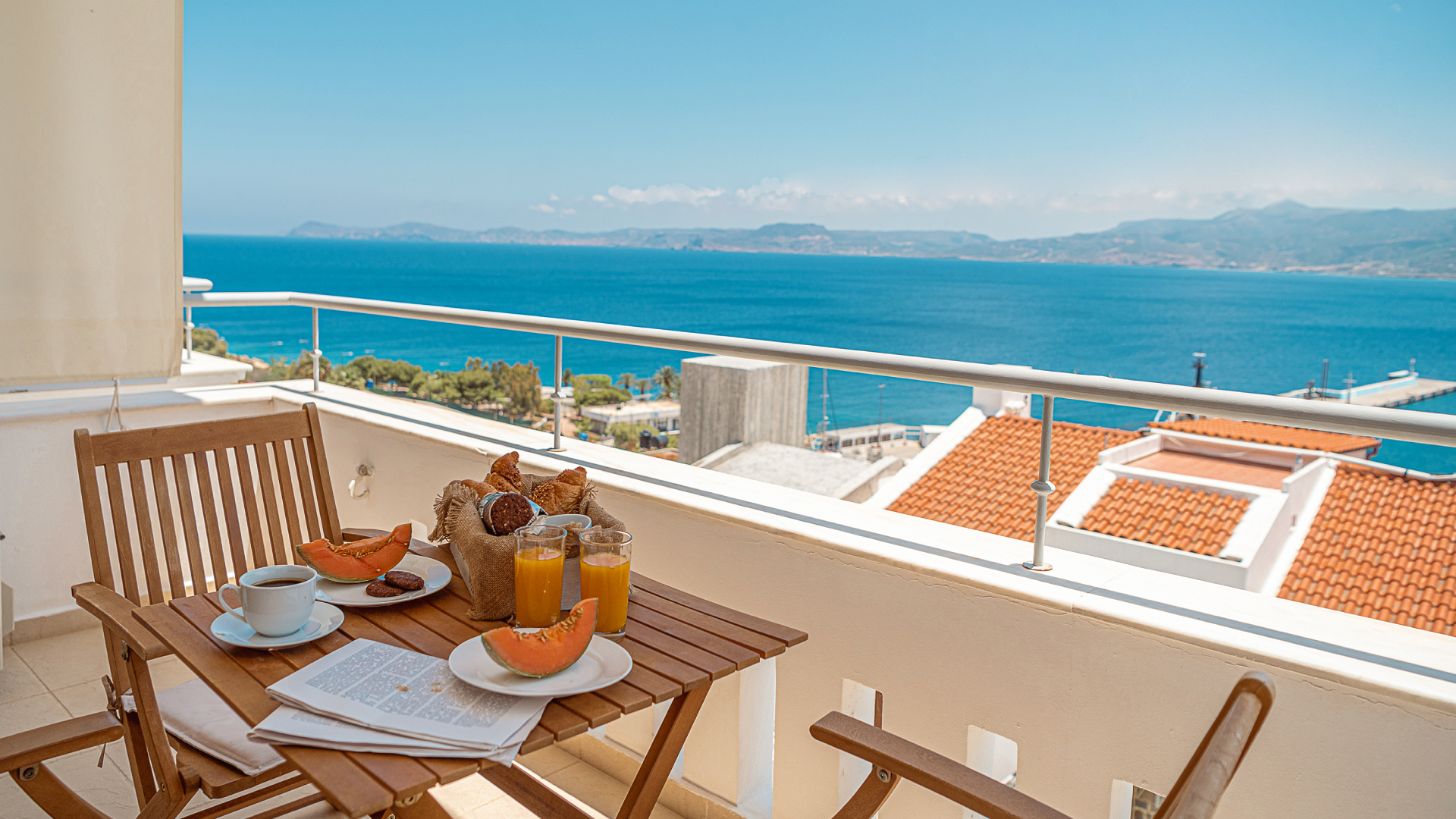
If you’re dreaming of waking up to sweeping sea viewsNereids Apartments delivers. These self-catered apartments sit just above the coastline, offering panoramic vistas that are especially stunning at sunrise. The decor is minimal and modern with an Instagram-friendly aesthetic, featuring whitewashed walls, soft linens, and balconies perfect for morning coffee or sunset drinks. It’s a top pick for couples or solo travelers who want peace, beauty, and a bit of style.

Explore
nereids apartment luxury hotel sitia crete

Located just outside Sitia near PalekastroCavo Plako Villas is perfect for those seeking serenity and seclusion. Each villa is spacious and self-contained, surrounded by olive groves and overlooking the wild eastern Cretan coastline. It’s the kind of place where you can truly unplug, ideal for digital detoxes, writing retreats, or just pure relaxation. This is a great base if you’re planning to explore Vai BeachItanos, or the lesser-traveled east coast.

Explore
cavo plako villa luxury hotel sitia crete

This is Sitia’s most classic resort-style accommodation, a great pick if you’re after comfort, convenience, and a bit of pampering. Located right on the beach and just a short stroll from the town center, Sitia Beach City Resort & Spa combines resort amenities with walkability. There’s a large, inviting pool, a full-service spa, and an on-site restaurant, making it a solid choice for families or couples looking to unwind. The decor leans traditional, and the overall feel is polished and relaxing.

Explore
sitia beach city resort luxury hotel sitia crete

Where to Eat and Drink in Sitia Crete

  • Inodion – My top pick for a romantic dinner in town (try the lamb with stamnagathi) 
  • Politia – Hidden gem with the best bougatsa in Sitia
  • Chiona Fish Tavern – Romantic spot on the beach with fresh seafood

Essential Tips for Visiting Sitia, Crete 

  • Rent a car — public transport is very limited and many sites are remote (plus rentals are pretty cheap here! It only cost us £15 for 4 days. Click here to see prices.
  • Bring cash — many small tavernas and shops don’t accept cards 
  • Wear water shoes — especially for rocky beaches like Maridati 
  • Visit early — Vai, Erimoupoli, and Richtis can get warm and busy by mid-day 
  • Respect the land — Eastern Crete is pristine. Take your trash and leave no trace. 

Quick Sitia Crete Travel FAQs

How many days should I spend in Sitia? 
👉 In my opinion, 3–4 days is perfect to explore the beaches, hike Richtis Gorge, and enjoy village life. 

Is Sitia worth visiting over Chania or Heraklion? 
👉 If you’re looking for something quieter, more authentic, and less tourist-driven — absolutely. 

Is Sitia family-friendly? 
👉 Yes, the beaches are calm and safe, but it’s also ideal for couples and solo adventurers. 

Final Thoughts: Why I Fell in Love with Sitia, Crete 

There was something about Sitia, Crete that stayed with me. It’s not polished or flashy — but it’s real, it’s raw, and it’s one of the most authentic experiences I’ve had in Greece. From sipping wine in a centuries-old monastery and hearing goats in the hilltops to walking through old forgotten ruins, this corner of Crete is a love letter to slow travel

If you’re debating whether it’s worth the detour — this is your sign to go

Want to extend your stay in Greece? Why not check out one of my other greek guides: Santorini Guide, Mykonos Guide.

Planning a Safari: Kenya vs South Africa – which is better? 

Planning a Safari: Kenya vs South Africa – which is better? 

An African safari is one of the most incredible travel experiences, offering breathtaking landscapes, diverse wildlife, and unforgettable adventures. But when deciding where to go, one of the most common questions I get asked is Kenya vs South Africa – which is better for safaris?  

Both destinations offer world-class safari experiences, but they differ in terms of wildlife, cost, accessibility, and overall experience. This guide will break down the key differences to help you decide which is best for your next safari adventure. 

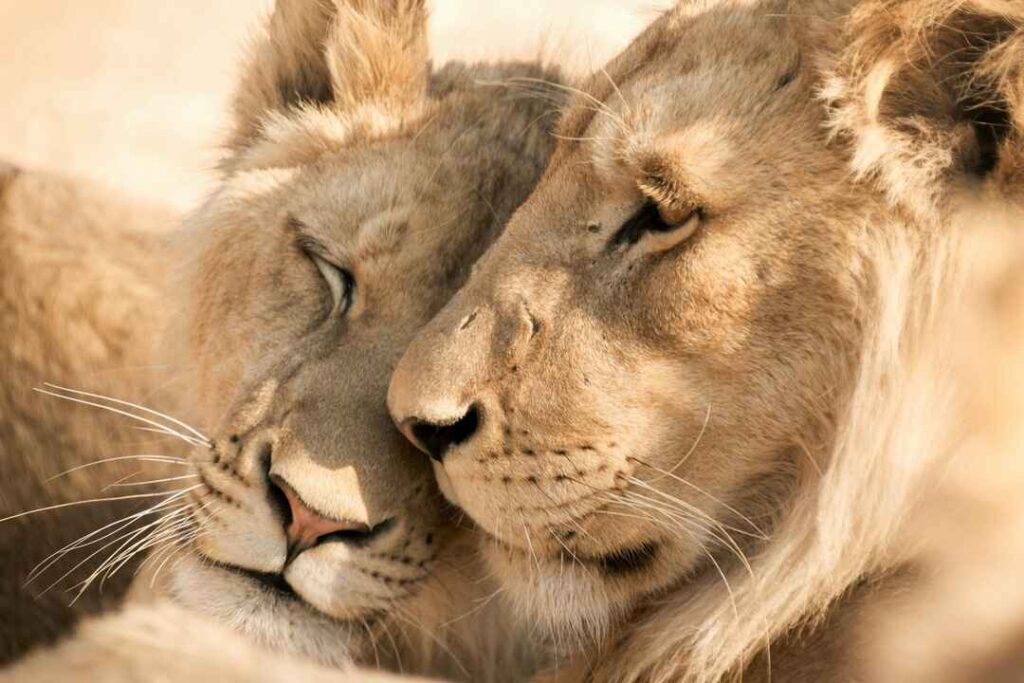
South Africa lions safari

Kenya vs South Africa Safaris – Which is Better for Wildlife? 

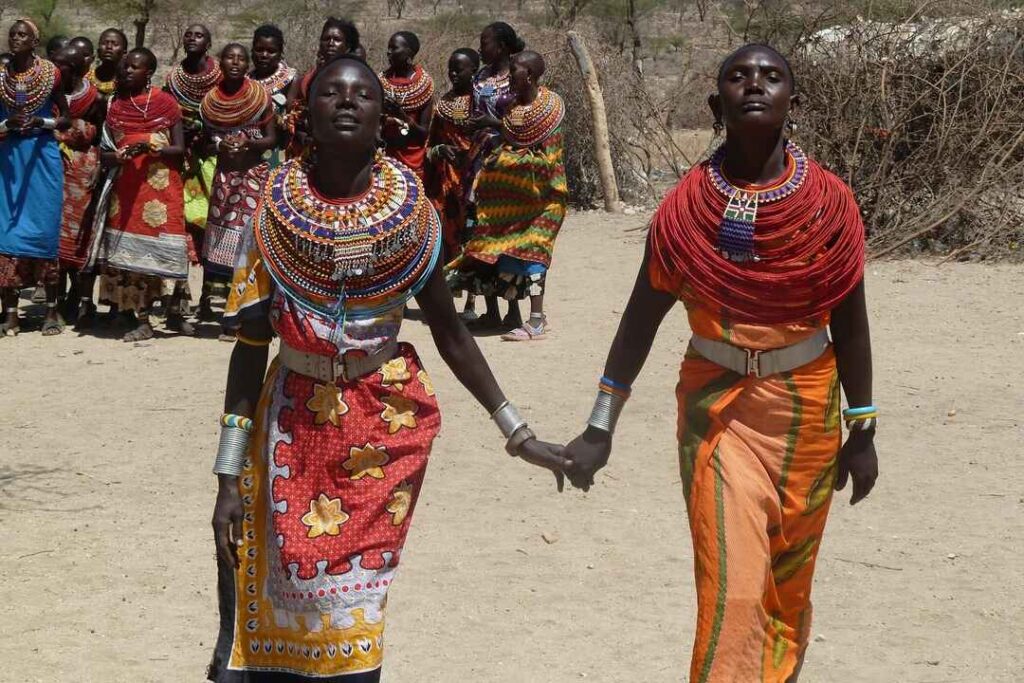
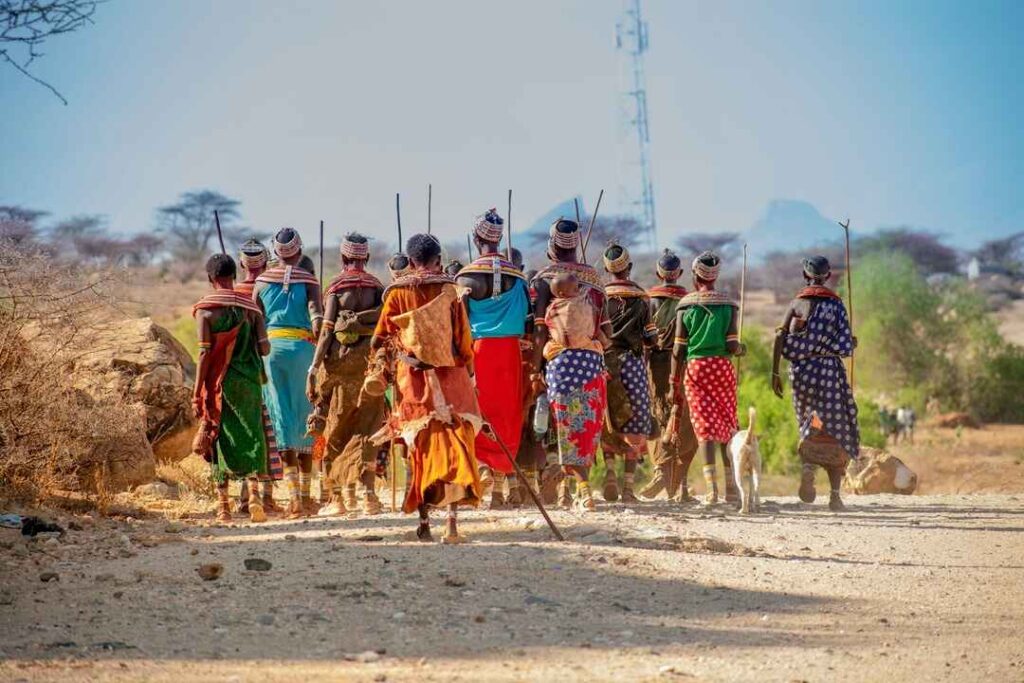
Kenya community

Kenya: The Great Migration & Classic Safari Landscapes 

  • Best for: The Great Migration, classic African savannah scenery, abundant wildlife. 
  • Best Parks: Maasai Mara, Amboseli, Tsavo, Samburu, Laikipia, Meru. 
  • Wildlife Highlights: Big Five (lion, elephant, leopard, rhino, buffalo), cheetahs, wildebeest, giraffes, zebras, hyenas, hippos, crocodiles. 
  • Best Time to Visit: July to October (Great Migration), January to March (dry season – great for wildlife spotting). 

Kenya is home to one of the most spectacular wildlife events in the world – the Great Migration, where millions of wildebeest, zebras, and gazelles migrate between the Serengeti (Tanzania) and the Maasai Mara (Kenya). If seeing dramatic river crossings and vast herds is a priority, Kenya is hard to beat. 

In addition to the migration, Amboseli is known for its large herds of elephants with the backdrop of Mount Kilimanjaro, while Samburu offers a chance to see rare species like the Grevy’s zebra, reticulated giraffe, and Somali ostrich

Kenya also offers incredible birdwatching opportunities, especially in Lake Nakuru National Park, home to thousands of flamingos, pelicans, and other water birds. The varied landscapes across the country make it possible to see an astonishing variety of species in one trip. 

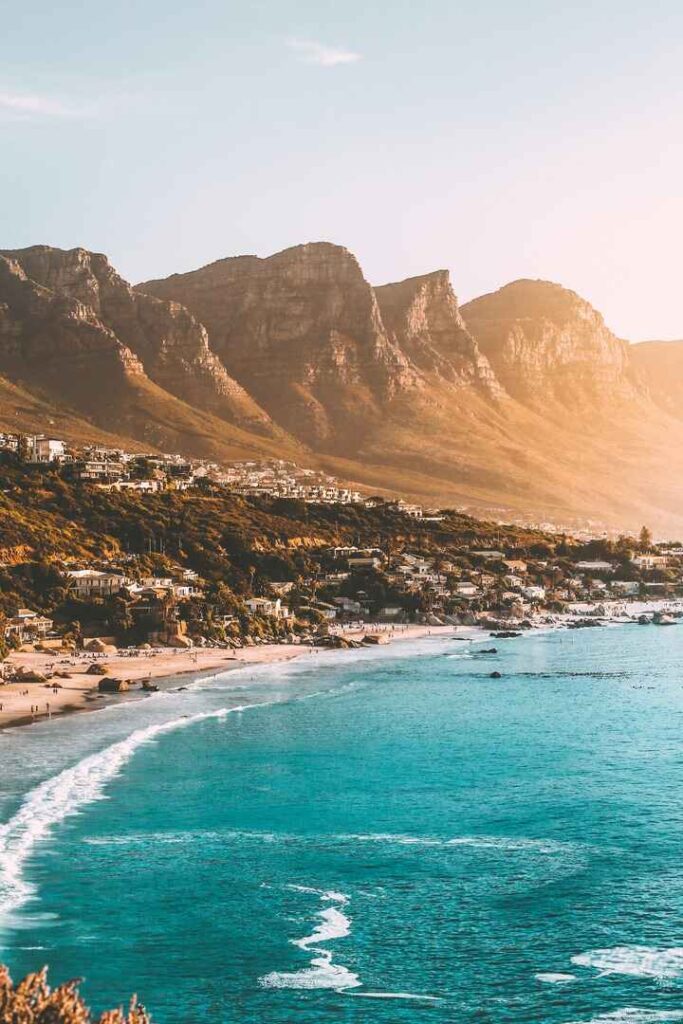
Cape Town South Africa

South Africa: Diverse Landscapes & Luxury Safari Lodges 

  • Best for: Luxury lodges, Big Five sightings, self-drive safaris, diverse ecosystems. 
  • Best Parks: Kruger National Park, Sabi Sands, Madikwe, Phinda, Addo Elephant Park, Kgalagadi Transfrontier Park. 
  • Wildlife Highlights: Big Five, African wild dogs, rare antelope species, cheetahs, marine safaris (sharks, whales, dolphins), penguins. 
  • Best Time to Visit: May to September (dry season – easier wildlife spotting), October to March (birding, newborn animals, lush landscapes). 

South Africa offers a mix of self-drive safaris (in Kruger National Park) and private luxury lodges (in Sabi Sands and beyond), where sightings of leopards and lions are common. It’s also a fantastic choice if you want to combine land and marine safaris, with options for whale watching and shark diving along the coast. 

South Africa’s parks are more developed, with well-maintained roads, making it ideal for self-drive safaris. Additionally, malaria-free reserves like Madikwe and Waterberg make it a great option for families traveling with children. 

For a unique twist, South Africa offers safari and wine tasting experiences, particularly in the Eastern Cape, where you can visit private game reserves and then explore the renowned wineries of Stellenbosch and Franschhoek. 

Kenya safari

Best Time to Go on Safari in Kenya vs South Africa 

 Kenya South Africa 
Peak Season July – October (Great Migration) May – September (dry season) 
Green Season November – June (fewer crowds, lush scenery) October – April (lush landscapes, best for birding) 
Weather Warm year-round, occasional rain Cooler winters, hot summers 
Crowds High in peak season, quieter in green season High in Kruger during peak season, quieter in private reserves 

Kenya’s dry season (June to October) is best for wildlife viewing as animals congregate around water sources, while the wet season (November to May) offers lush landscapes and fewer crowds. 

South Africa’s winter dry season (May to September) provides excellent wildlife viewing in Kruger, while the summer (October to March) is great for birdwatching, marine safaris, and seeing baby animals. 

South Africa’s coastal safaris allow for whale watching season (June to November), making it a perfect time for those interested in marine wildlife. 

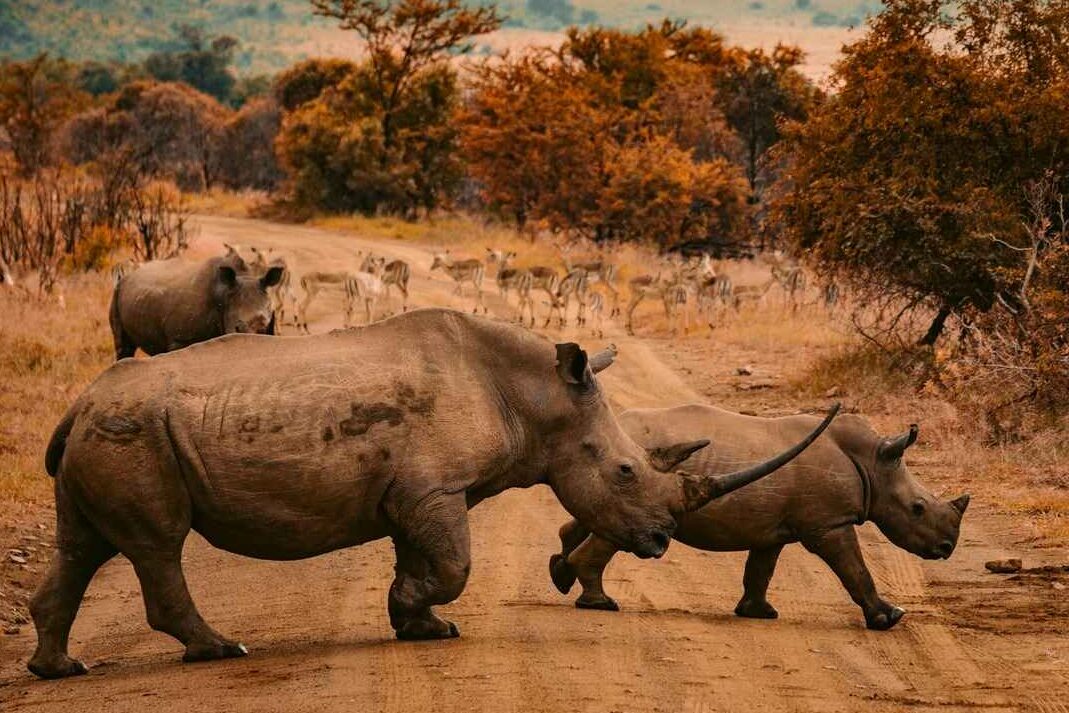
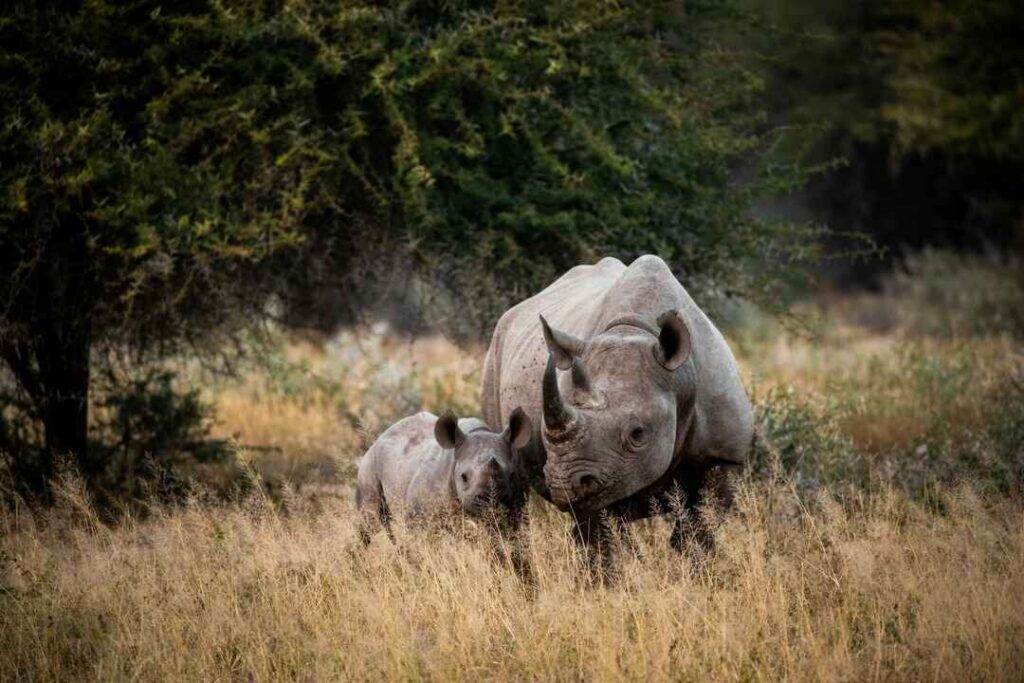
rhinos South Africa

Safari Kenya vs South Africa – Which is More Affordable? 

Kenya Safari Costs 

  • Budget Safaris: From £200 per day (group tours, basic lodges, tented camps). 
  • Mid-Range Safaris: From £350-£600 per day (comfortable lodges, small group tours, fly-in safaris). 
  • Luxury Safaris: From £800+ per day (private guides, high-end lodges, helicopter transfers). 

Kenya’s park fees are higher than South Africa’s, but the experience feels more remote and untamed. Costs can also rise significantly if you choose to do a flying safari instead of driving between parks. 

South Africa Safari Costs 

  • Budget Safaris: From £100 per day (self-drive in Kruger, camping). 
  • Mid-Range Safaris: From £250-£500 per day (lodges, guided tours, all-inclusive game reserves). 
  • Luxury Safaris: From £600+ per day (private reserves, 5-star lodges, exclusive experiences). 

South Africa is often cheaper for budget travelers because you can self-drive in Kruger National Park, avoiding expensive safari guides. 

Kenya community

Best Safari Experiences in Kenya vs South Africa 

Unique Safari Experiences in Kenya 

  • Hot Air Balloon Safari in the Maasai Mara – Soar over the savannah at sunrise. Book Here 
  • Breakfast in the Bush – Enjoy a luxury meal in the wild. Book Here 
  • Giraffe Manor – Have breakfast with giraffes! Book Here 
  • Walking Safaris in Laikipia – Explore on foot with Maasai guides. 
  • Cultural Visits to Maasai & Samburu Villages – Learn about traditional tribal lifestyles. 

Unique Safari Experiences in South Africa 

  • Safari on Horseback in Waterberg – Ride through the bush with wildlife around you. 
  • Shark Cage Diving in Gansbaai – Get up close with great white sharks. 
  • Luxury Rail Safari on Rovos Rail – A 5-star train journey through the wild. 
  • Night Game Drives in Private Reserves – Spot nocturnal wildlife. 
  • Winelands & Safari Combos – Enjoy the best of both worlds with luxury lodges and fine wine tastings. 

Final Verdict: Safari Kenya vs South Africa – Which is Better for Safaris? 

Choose Kenya if: 

✔️ You want to witness the Great Migration. 
✔️ You love classic savannah landscapes. 
✔️ You prefer an adventurous, wild safari experience. 
✔️ You’re interested in cultural experiences with the Maasai. 
✔️ You enjoy birdwatching in diverse habitats. 

Choose South Africa if: 

✔️ You want a mix of self-drive & guided safaris
✔️ You’re looking for luxury safari lodges
✔️ You prefer malaria-free safari destinations. 
✔️ You want to combine safari with Cape Town & the coast
✔️ You’re interested in marine safaris & whale watching. 

Both Kenya and South Africa offer exceptional safari experiences—it really depends on your travel style, budget, and wildlife priorities. No matter which you choose, you’re in for an unforgettable African adventure! 

Wondering when to plan your Safari? Click here for my latest guide on when to go.

Rhinos South Africa safari

What’s The Best Month for An African Safari?

When & Where to Go for the Ultimate Safari Experience 

An African safari is a bucket-list adventure, but knowing the best month for an African safari can make all the difference. Africa’s diverse landscapes, seasonal wildlife movements, and varied climates mean that timing is crucial. Whether you’re hoping to witness the Great Migration in the Serengeti, track mountain gorillas in Uganda, or experience an exclusive luxury safari in Botswana, choosing the right month is key. In this guide, we’ll break down the best destinations, when to visit, cost considerations, and essential tips for planning an unforgettable safari. 

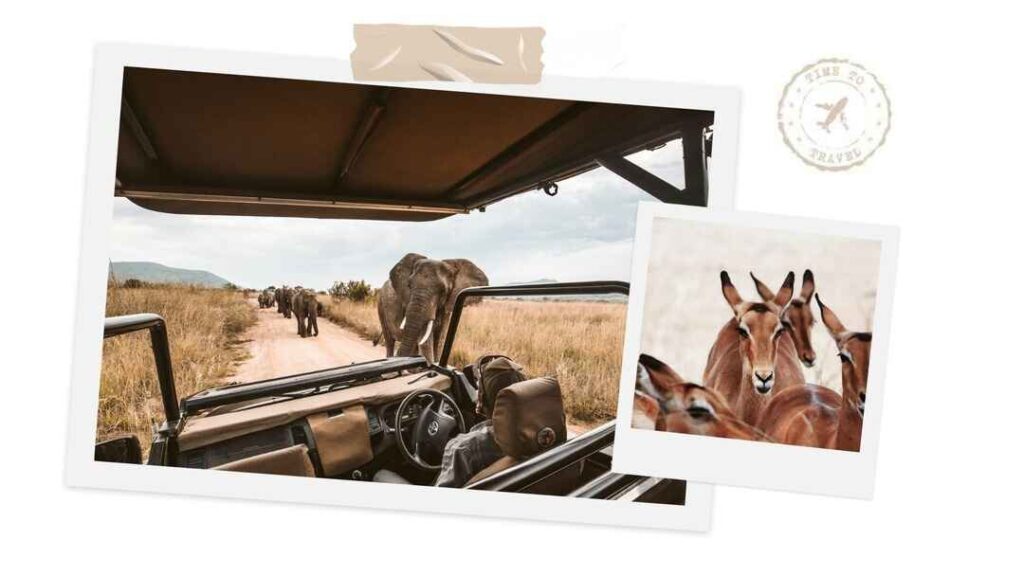
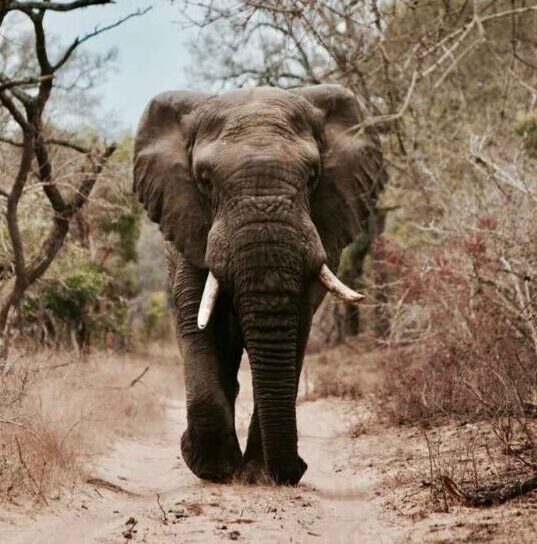
elephant and antelope in African Safari

How to Decide Where to Go on an African Safari 

Africa offers an incredible variety of safari experiences, so choosing the right destination depends on several factors: 

  • Wildlife priorities: Are you dreaming of seeing the Big Five, witnessing the Great Migration, or spotting rare species like leopards or wild dogs? 
  • Budget: Some destinations, like South Africa, offer more affordable safari options, while others, such as Botswana and Tanzania, tend to be more expensive. 
  • Weather preferences: Dry season safaris often offer better wildlife viewing, but wet season safaris come with lush landscapes, fewer crowds, and lower prices. 
  • Crowds and accessibility: Popular parks like the Maasai Mara and Serengeti can get crowded during peak season, while lesser-known reserves offer quieter, more intimate experiences. 
  • Activities: Would you prefer traditional game drives, walking safaris, night safaris, or water-based safaris in the Okavango Delta? 
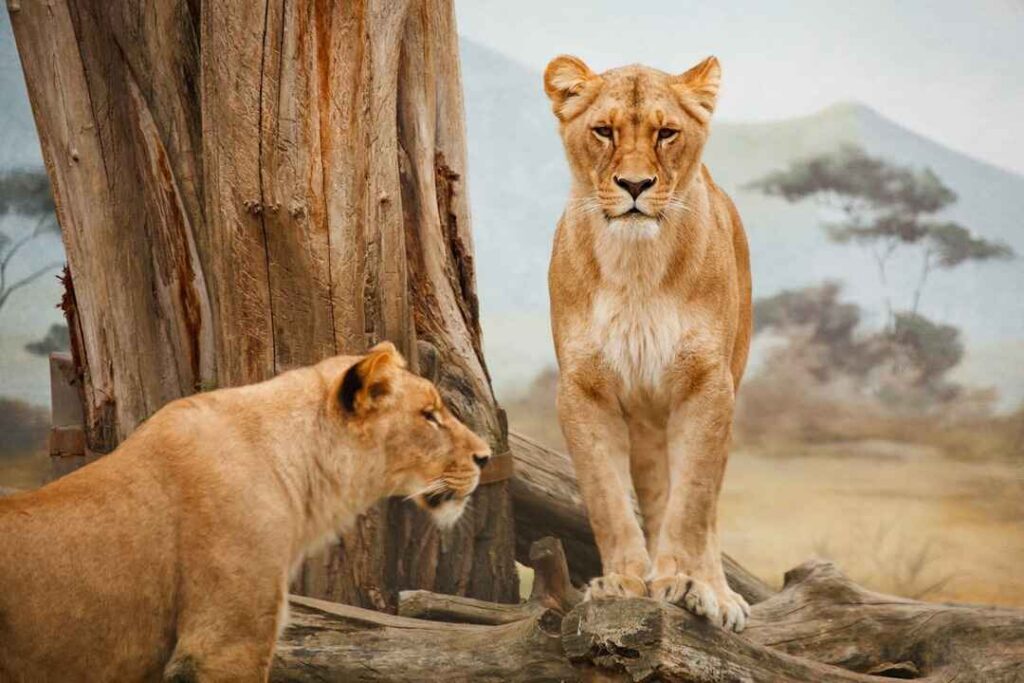
Lions at African Safari

Best Safari Destinations by Region 

Region Best For Top National Parks & Reserves 
East Africa The Great Migration, Big Five, Scenic Landscapes Serengeti (Tanzania), Maasai Mara (Kenya), Ngorongoro Crater 
Southern Africa Big Five, luxury safaris, diverse landscapes, self-drive safaris Kruger (South Africa), Okavango Delta (Botswana), Victoria Falls 
Central Africa Gorilla trekking, rainforest adventures, unique species Bwindi Impenetrable Forest (Uganda), Volcanoes National Park (Rwanda) 
West Africa Unique wildlife, cultural experiences, off-the-beaten-path safaris Mole National Park (Ghana), Pendjari National Park (Benin) 

Best Month for African Safari by Destination 

Serengeti & Maasai Mara (Tanzania & Kenya) – Great Migration 

  • Best Months: July to October (wildebeest crossing the Mara River) 
  • Wet Season: March to May (lush landscapes, fewer crowds, but muddy roads) 
  • Cost Considerations: High prices during migration; lower costs in the wet season. 
  • Weather: Dry season (cool, less rain, better wildlife visibility). The wet season can bring afternoon thunderstorms. 

Kruger National Park (South Africa) – Big Five & Self-Drive Safaris 

  • Best Months: May to September (dry season – animals gather around water sources, making sightings easier) 
  • Wet Season: October to April (lush landscapes, great for birdwatching, fewer tourists) 
  • Cost Considerations: Affordable year-round, but luxury lodges increase prices in peak months. 
  • Weather: Warm in dry season, hot and humid in the wet season. 

Okavango Delta (Botswana) – Water & Land Safaris 

  • Best Months: June to October (Delta is flooded, best for mokoro boat safaris) 
  • Wet Season: November to March (lush landscapes, baby animals, fewer tourists) 
  • Cost Considerations: One of Africa’s most expensive safari destinations. Luxury lodges can cost over £1,600 per night. 
  • Weather: Cool nights in dry season, hot and humid in wet season. 

Victoria Falls (Zambia/Zimbabwe) – Scenic Safaris & Adventure 

  • Best Months: May to September (high water levels, best for photography) 
  • Wet Season: November to April (less mist, better visibility of the falls) 
  • Cost Considerations: Prices rise during peak season. White-water rafting is best in the low-water season (Aug-Jan). 
  • Weather: Dry season is cooler; wet season can be very hot. 
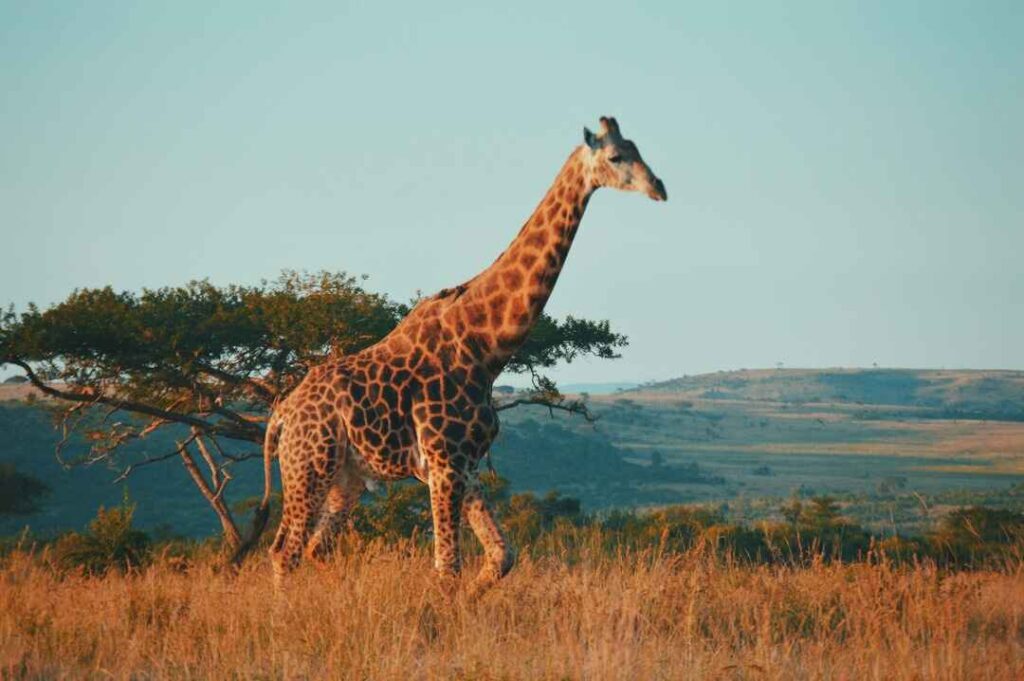
Giraffe and Buffalo African Safari

Bwindi & Volcanoes National Park (Uganda & Rwanda) – Gorilla Trekking 

  • Best Months: June to September, December to February (dry season, best for trekking) 
  • Wet Season: March to May, October to November (fewer tourists, cheaper permits) 
  • Cost Considerations: Gorilla trekking permits range from £550 to £1,200 per person. 
  • Weather: Rainforest climate – expect some rain year-round. Trekking can be challenging in the wet season. 
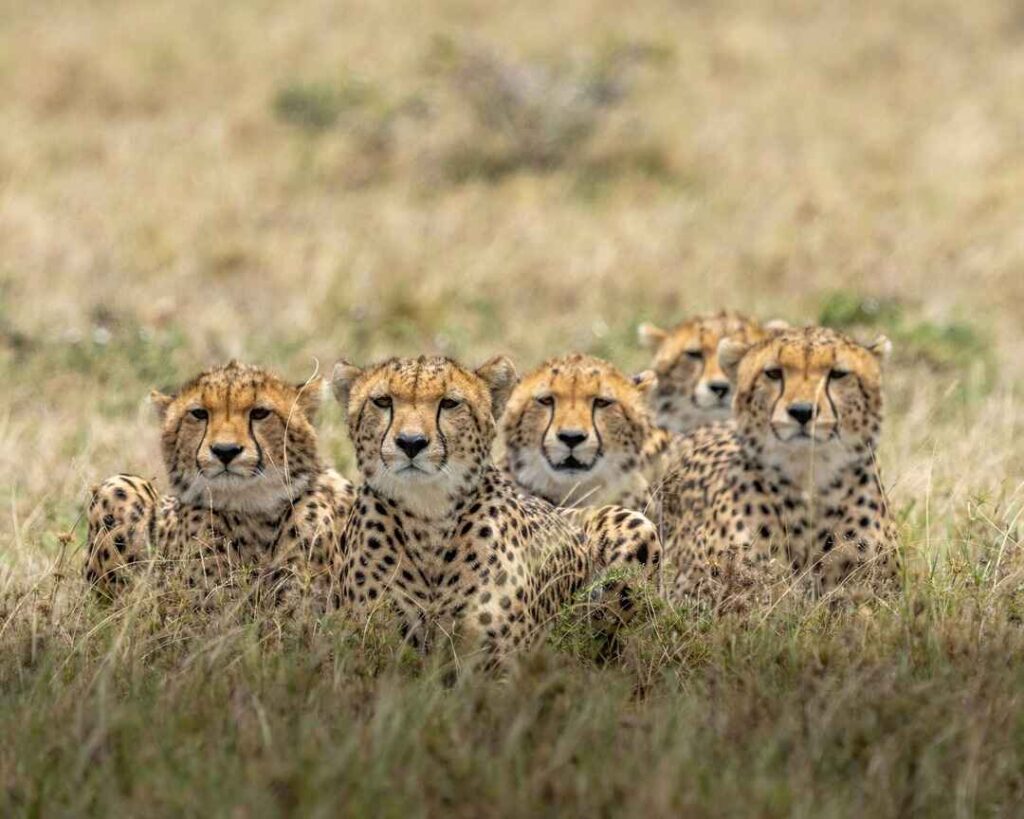
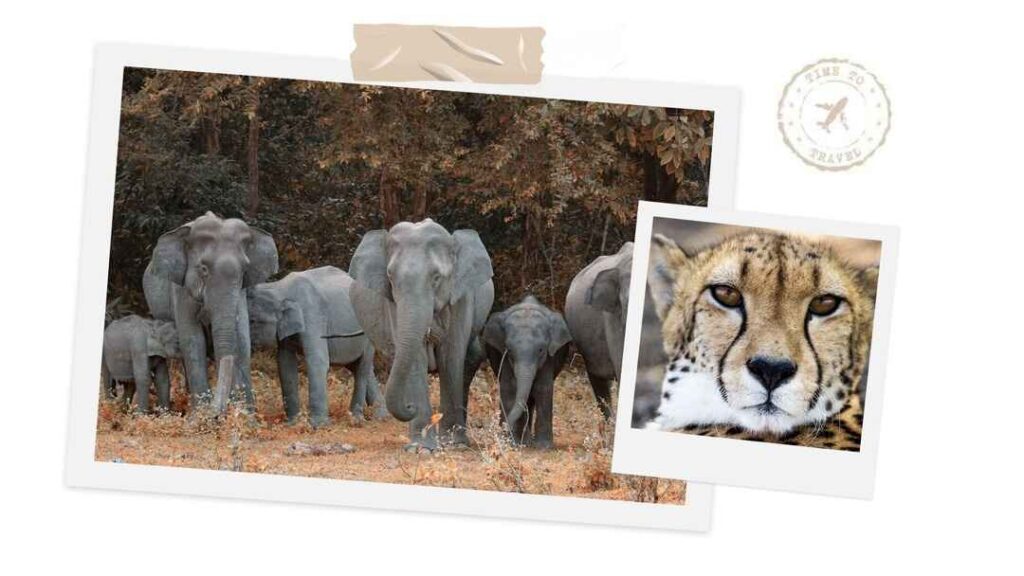
elephant and cheetah at African Safari

Best Safari Experiences: How to Elevate Your Safari 

For an unforgettable safari, consider adding these unique experiences: 

  • Hot Air Balloon Safari: Experience the Serengeti or Maasai Mara from above at sunrise. Book with: Balloon Safaris Ltd 
  • Bush Breakfast: Enjoy a luxury breakfast in the wild after a morning game drive. Available at: Many luxury lodges in Kenya, Tanzania, and Botswana. 
  • Walking Safaris: Get up close with wildlife on a guided bush walk in Zambia or South Africa. Recommended operators: Robin Pope Safaris 
  • Night Game Drives: See nocturnal predators in action in South Luangwa, Kruger, and Botswana. 
  • Water Safaris: Canoe through the Okavango Delta in a traditional mokoro. Book with: Wilderness Safaris 
  • Photographic Safaris: Travel with professional photographers for the best wildlife shots. Available at: MalaMala Game Reserve, Sabi Sands, and more. 

Cost Considerations for an African Safari 

Budget Safaris: (£115–£230 per day) – Group tours, basic lodges, national park camping. 

Mid-Range Safaris: (£230–£620 per day) – Comfortable lodges, small group tours, all-inclusive packages. 

Luxury Safaris: (£620–£1,950+ per day) – Private guides, luxury lodges, exclusive experiences. 

Hidden Costs: Park entrance fees, visa costs, tips, and optional activities like hot air balloon rides.

Packing List for an African Safari 

✔️ Neutral-colored clothing (avoid bright colors that scare animals) 
✔️ Lightweight, long-sleeved shirts & pants (for sun & insect protection) 
✔️ Sturdy hiking boots (for trekking safaris) 
✔️ Sunhat & sunglasses 
✔️ Binoculars (for better wildlife viewing) 
✔️ Camera with zoom lens 
✔️ Reusable water bottle 
✔️ Insect repellent & sunscreen 
✔️ Rain jacket (especially in wet season destinations) 
✔️ Travel adapters & power bank 
✔️ Lightweight backpack for game drives 
✔️ Prescription medications & basic first-aid kit 
✔️ Travel insurance (highly recommended for medical evacuation) 

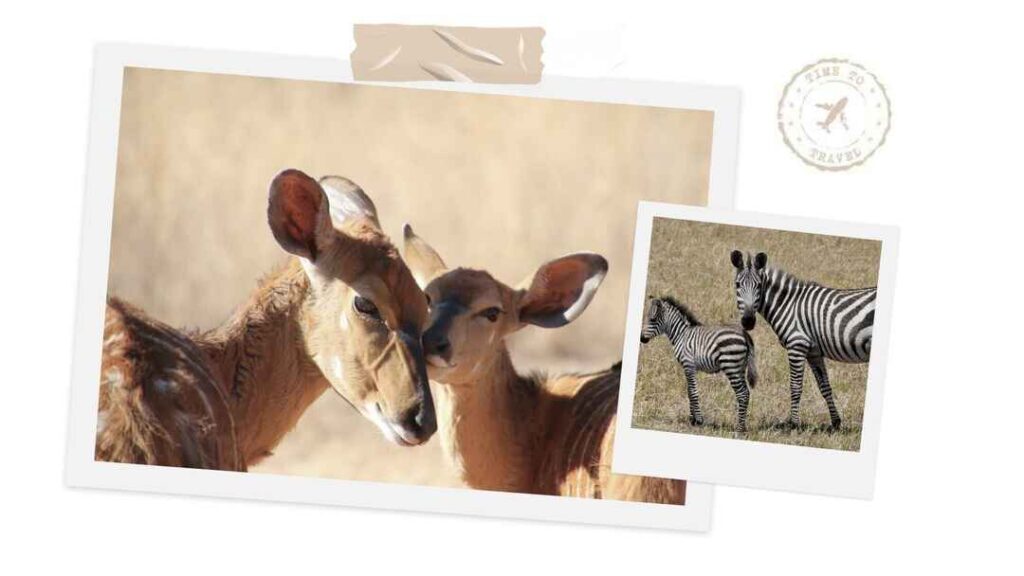
Antelope and Zebra at African Safari - best month

Final Thoughts: The Best Month for African Safari 

The best month for an African safari depends on your priorities. If you want the Great Migration, go between July and October. For Big Five spotting, Southern Africa’s dry season (May–September) is ideal. For gorilla trekking, aim for Uganda or Rwanda in the dry season (June–September, December–February). 

Planning ahead is key – book early for peak season, pack wisely, and choose the right destination for your dream safari. Whether you’re looking for a budget adventure or a luxury escape, Africa has a safari experience to suit every traveller. 


15 of the Best All-inclusive Resorts in Marrakech Morocco 

Are you dreaming of a hassle-free escape to the magical city of Marrakech? Known for its bustling souks, serene riads, and incredible food, Marrakech also offers a growing selection of all-inclusive resorts that blend Moroccan charm with modern luxury. Whether you’re planning a romantic getaway, a family vacation, or a solo retreat, here’s your ultimate guide to 15 of the best all-inclusive resorts in Marrakech, Morocco to help you plan your perfect trip. 

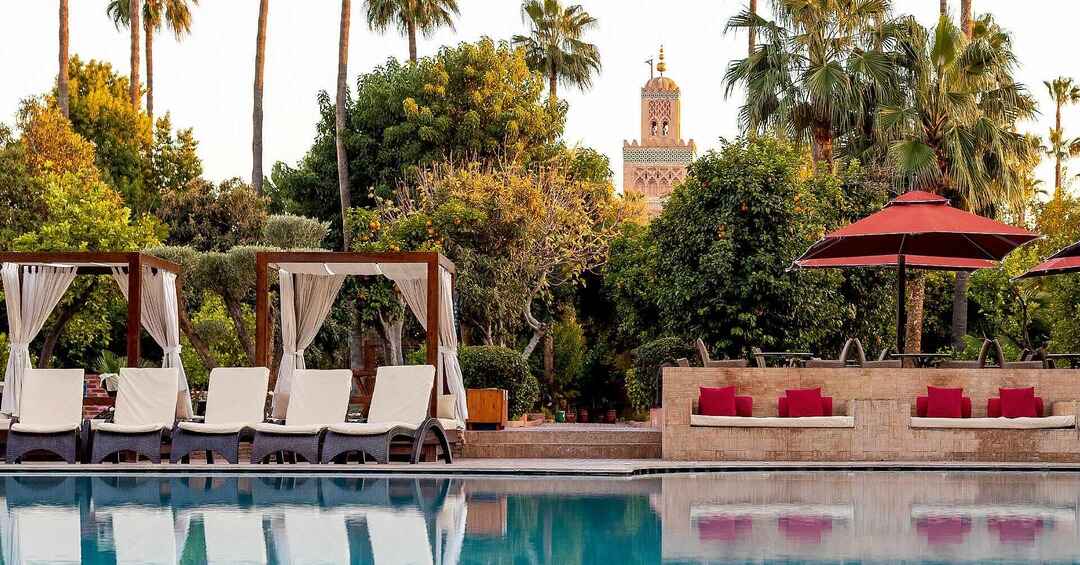
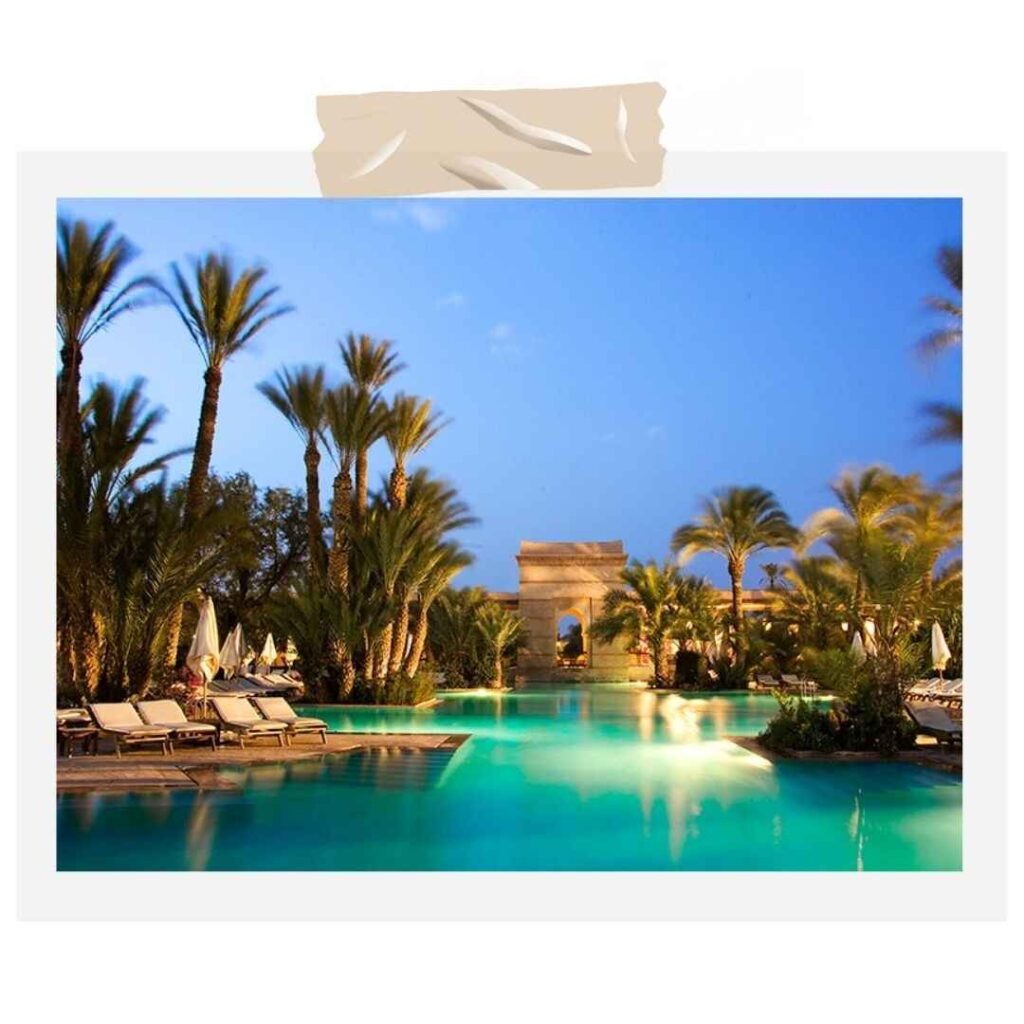
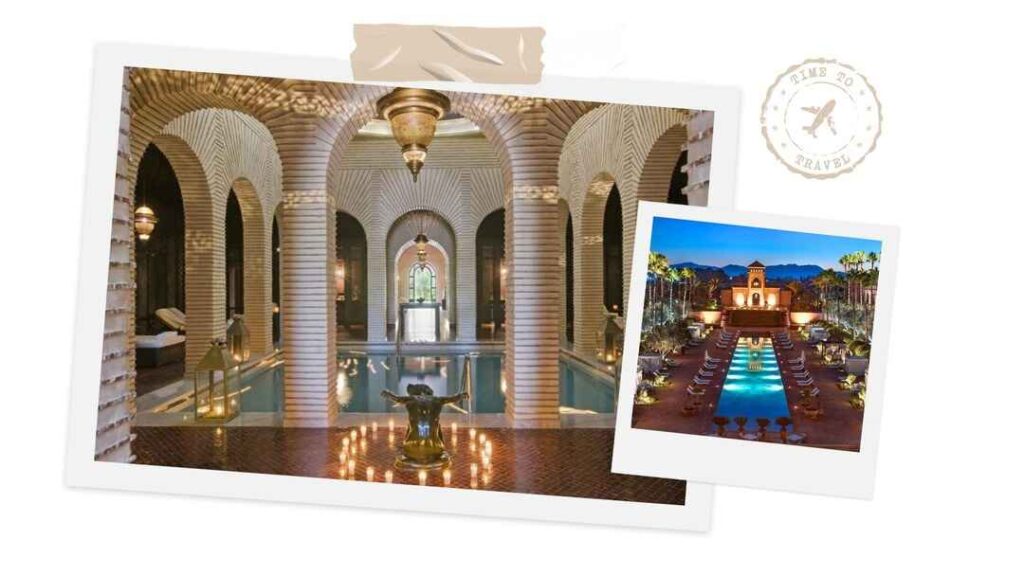
swimming pool at TUI BLUE Medina Gardens all-inclusive resort Marrakech Morocco

Does Marrakech, Morocco do all-inclusive resorts? 

Yes, Morocco does all-inclusive—and does it well. While Morocco is famous for its boutique riads, all-inclusive resorts in Marrakech cater to travelers looking for a stress-free experience. These resorts combine Moroccan architecture, gardens, and hospitality with the convenience of meals, drinks, and activities bundled into one price. 

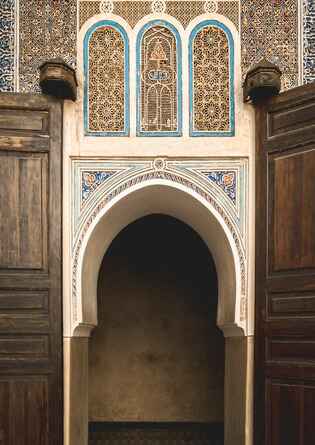
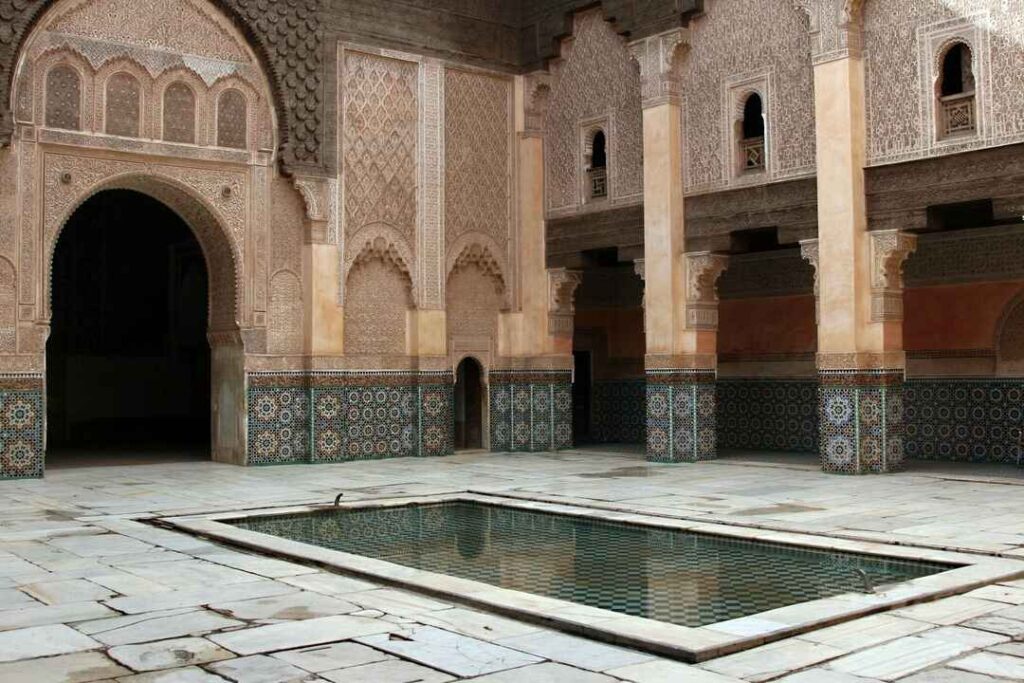
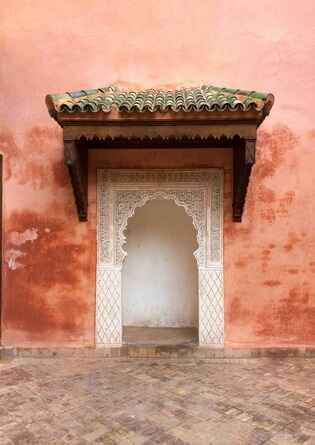
moroccan architecture

What do you get in all-inclusive resort in Marrakech, Morocco? 

Expect much more than just three meals a day. Marrakech’s all-inclusive resorts often include: 

Meals & Drinks: Full-board meals, from traditional Moroccan tagines to international buffets, plus unlimited soft drinks and sometimes alcoholic beverages. 

Activities: Yoga, fitness classes, water sports, and guided cultural activities. 

Excursions: Some resorts include cultural tours or shuttle services to the Medina. 

Facilities: Pools, spas, hammams, kids’ clubs, tennis courts, and entertainment programs. 

The Best All-Inclusive Resorts in Marrakech, Morocco 

1. Kenzi Menara Palace

  • Location: Nestled in the Agdal district, this all-inclusive resort is just a short drive from the Medina, offering both convenience and tranquility. 
  • What’s Included: Meals, drinks, and access to the spa, fitness center, and large outdoor pool. 
  • Activities: Yoga, cooking classes, and tennis. The resort also has a shuttle to the city center. 
  • Best For: Couples and families seeking a luxurious yet laid-back retreat. 

2. Selman Marrakech 

  • Location: On the outskirts of Marrakech, surrounded by stunning views of the Atlas Mountains. 
  • What’s Included: Gourmet meals, spa access, and daily entertainment. 
  • Activities: Horse lovers will adore the stables and equestrian shows. You can also enjoy horseback riding lessons or unwind at the massive outdoor pool. 
  • Best For: Couples looking for a romantic getaway with a unique equestrian twist. 
Selman Marrakech

3. Be Live Collection Marrakech (Adults Only) 

  • Location: In the tranquil Palmeraie area, about 20 minutes from the city center. 
  • What’s Included: Meals, premium drinks, and access to the spa and pool. 
  • Activities: Evening entertainment, live music, and poolside yoga. 
  • Best For: Adults seeking peace, quiet, and a touch of luxury. 
Swimming pool at Be Live Collection Marrakech

4. Hotel Riu Tikida Garden (Adults Only) 

  • Location: Just 3 km from the Medina, this all-inclusive, adults-only resort offers a quiet escape while being close to the action. 
  • What’s Included: Full meals, drinks, and spa access. 
  • Activities: Guided city tours, tennis, and aerobics classes. 
  • Best For: Couples and friends who want a mix of relaxation and cultural exploration. 
entrance of Hotel Riu Tikida Garden

5. Sol Oasis Marrakech – All Inclusive

  • Location: In a peaceful area on the outskirts of Marrakech. 
  • What’s Included: Meals, drinks, and access to pools, fitness centers, and a hammam. 
  • Activities: Moroccan cooking workshops, live performances, and guided Medina tours. 
  • Best For: Families and culture lovers looking for a mix of relaxation and exploration. 
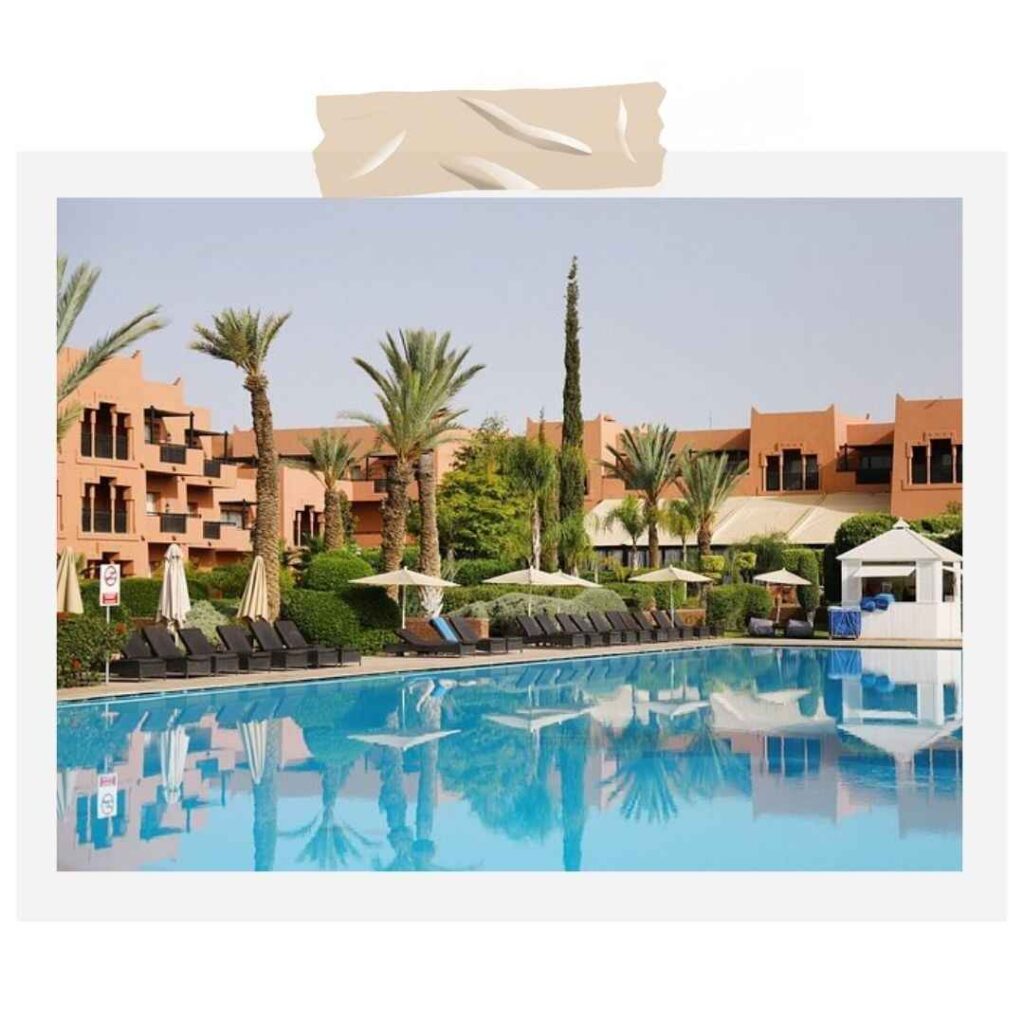
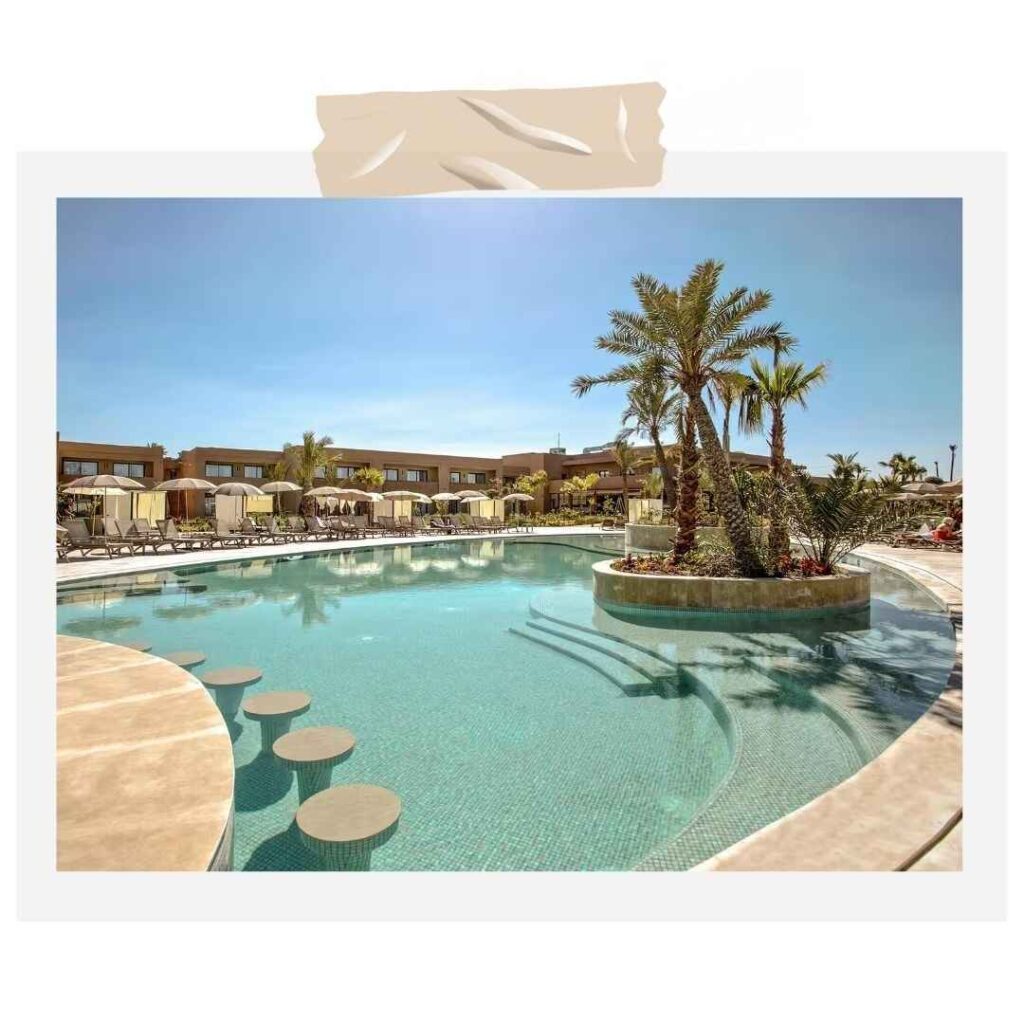
swimming pool at Sol Oasis Marrakech

6. Club Med Marrakech La Palmeraie 

  • Location: In the lush Palmeraie area, surrounded by palm trees. 
  • What’s Included: Meals, drinks, access to pools, and kids’ clubs. 
  • Activities: Golf, yoga, and guided excursions to the Atlas Mountains. 
  • Best For: Families and active travelers who want adventure with a touch of luxury. 
Swimming pool at Club Med Marrakech La Palmeraie

7. Valeria Madina Club Resort 

  • Location: Just outside Marrakech, offering a serene atmosphere. 
  • What’s Included: Buffet meals, drinks, and nightly entertainment. 
  • Activities: Tennis, archery, and cultural shows. 
  • Best For: Budget-conscious families seeking fun and relaxation. 
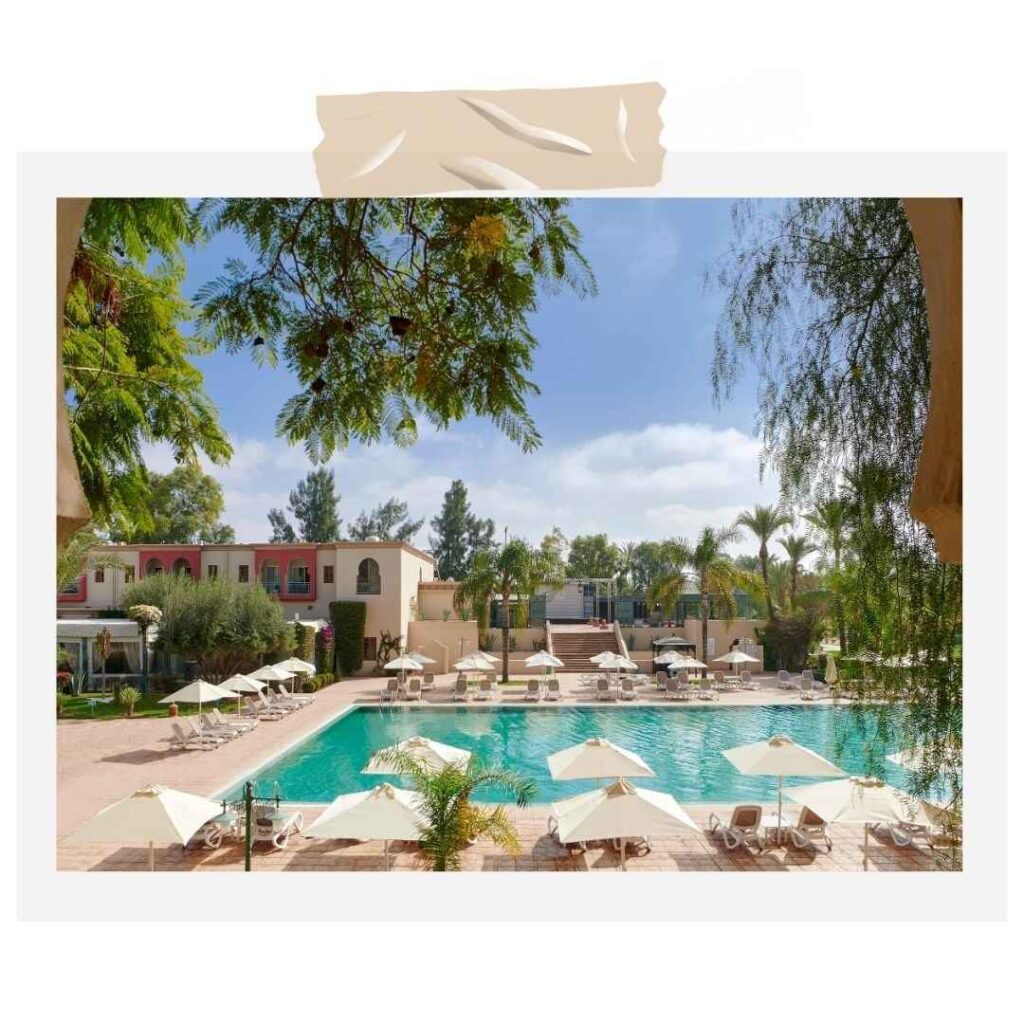
swimming pool at Valeria Madina Club Resort

8. Iberostar Waves Club Palmeraie Marrakech 

  • Location: In the peaceful Palmeraie area. 
  • What’s Included: Eco-friendly accommodations, meals, drinks, and kids’ entertainment. 
  • Activities: Kids’ clubs, spa treatments, and guided cultural activities. 
  • Best For: Families and eco-conscious travelers. 
Swimming pool at Iberostar waves club

9. Marrakech Ryads Parc 

  • Location: On the outskirts of the city, offering a quiet escape. 
  • What’s Included: Meals, access to pools, and evening shows. 
  • Activities: Mini-golf, tennis, and local excursions. 
  • Best For: Families and groups looking for space and activities. 
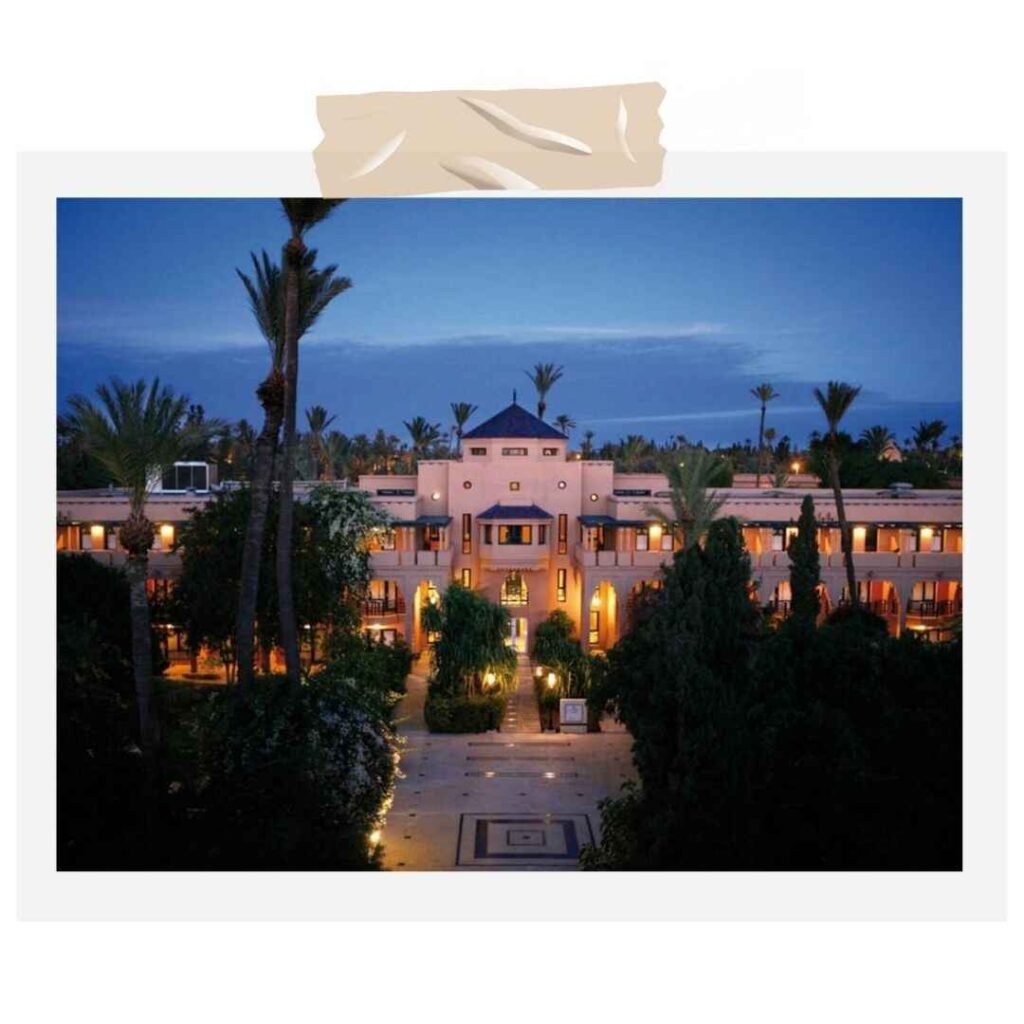
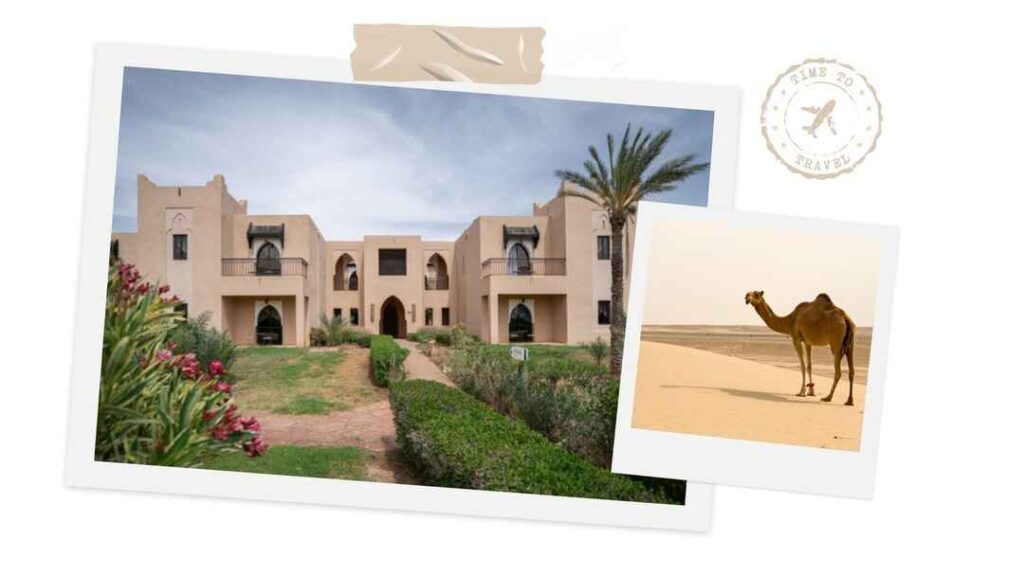
Exterior of Marrakech Ryads Parc

10. Club Paradisio Zalagh Resort & Spa 

  • Location: Close to the Medina but far enough for peace and quiet. 
  • What’s Included: Meals, drinks, and spa access. 
  • Activities: Live entertainment, swimming, and cooking classes. 
  • Best For: Couples and families. 
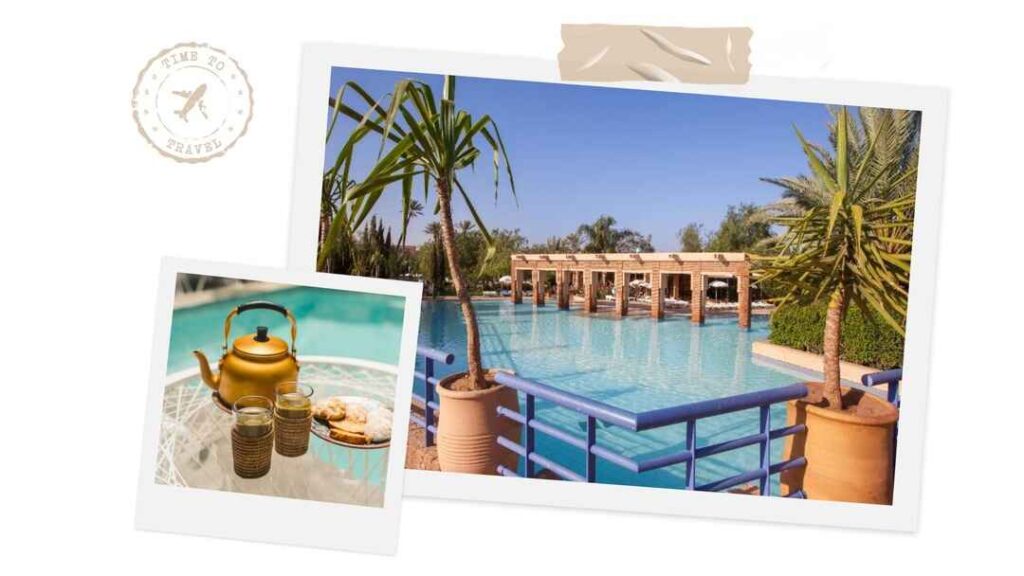
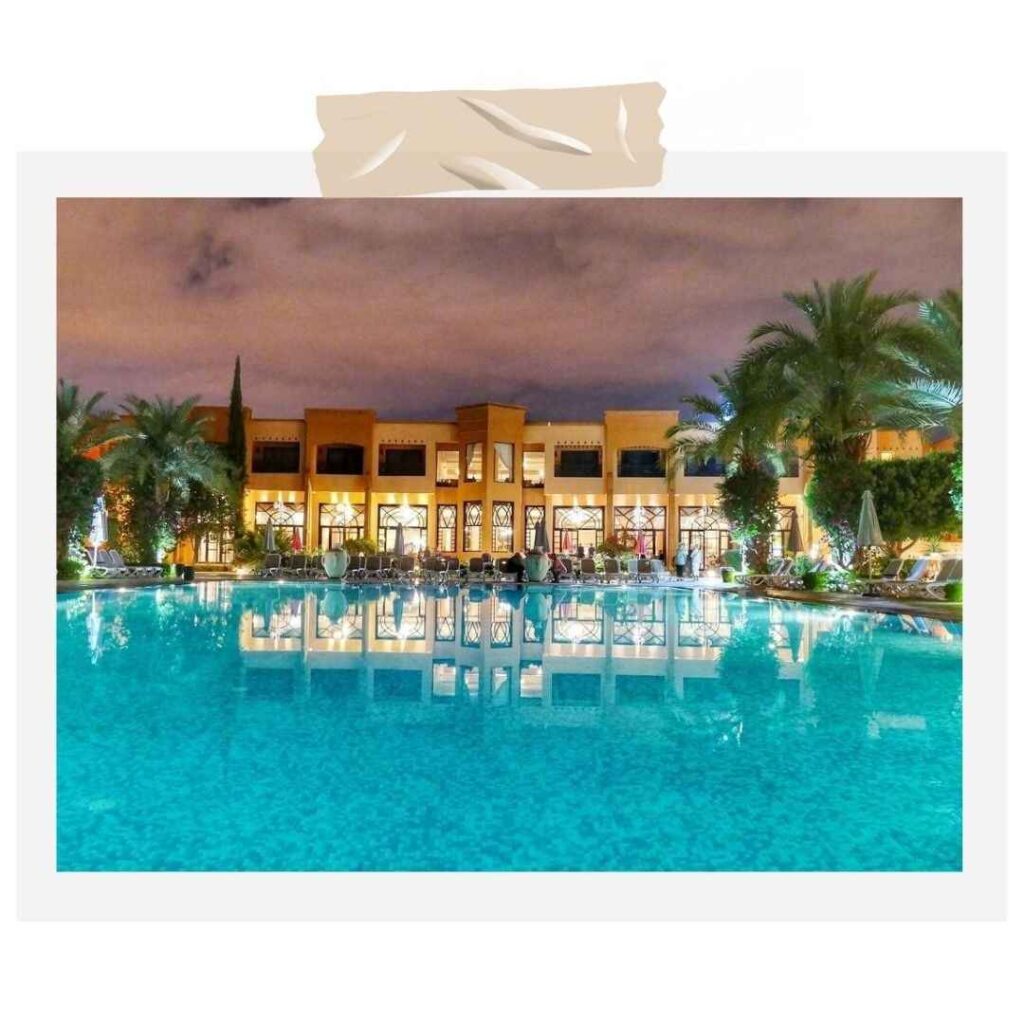
Swimming pool at Club Paradisio Zalagh Resort & Spa

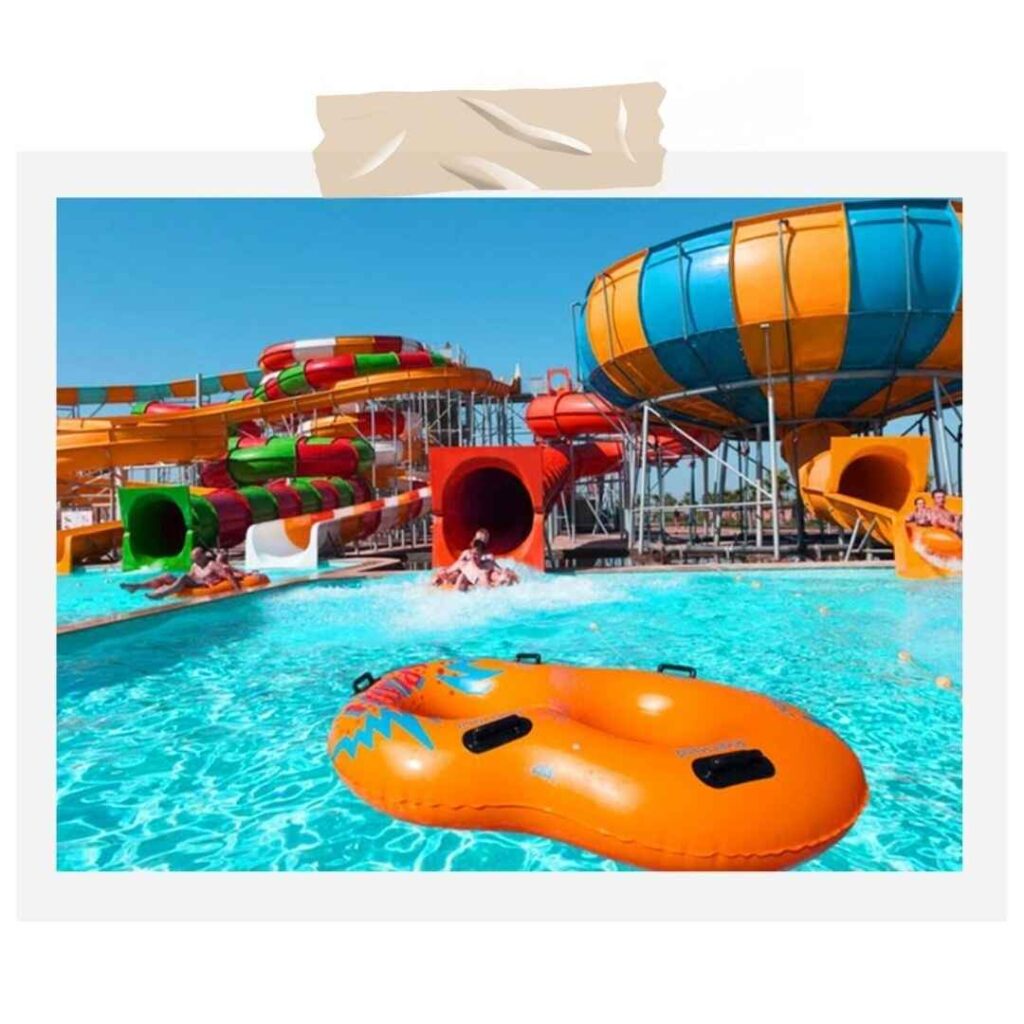
11. Pickalbatros Aqua Fun Club 

  • Location: On the outskirts of Marrakech, ideal for families. 
  • What’s Included: Meals, drinks, and access to water slides and kids’ areas. 
  • Activities: Water sports, fitness classes, and evening shows. 
  • Best For: Families with kids who love water parks. 
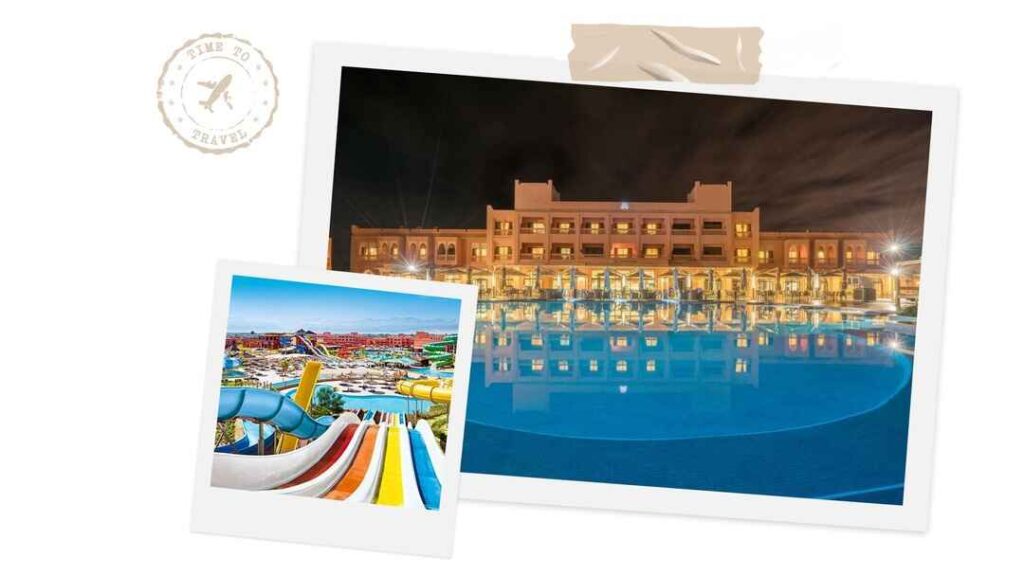
Swimming pool Pickalbatros Aqua Fun Club

12. Jaal Riad Resort 

  • Location: In a serene area with stunning views of the Atlas Mountains. 
  • What’s Included: Meals, spa treatments, and pool access. 
  • Activities: Hammam experiences, yoga, and private dining. 
  • Best For: Couples and honeymooners. 
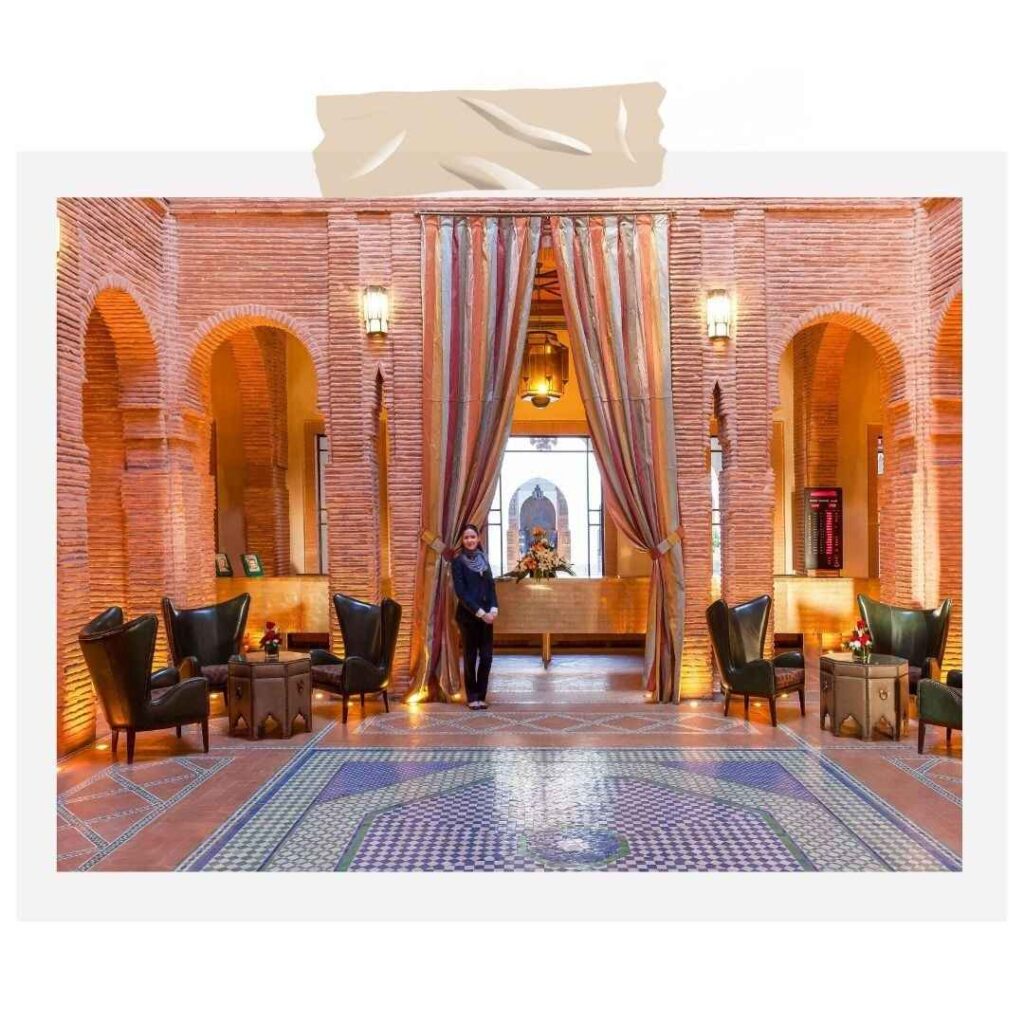
lobby at Jaal Riad Resort

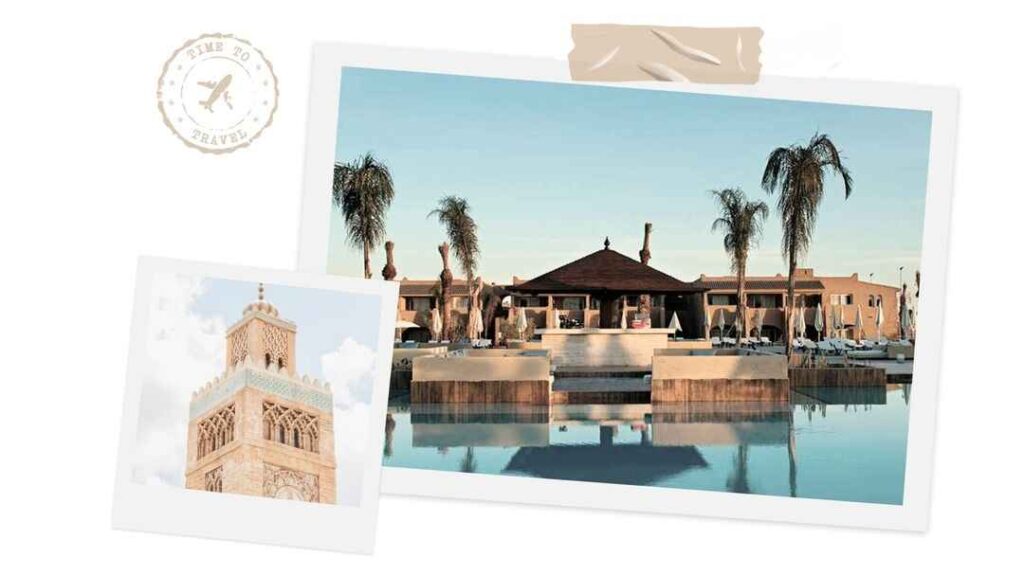
13. TUI BLUE Medina Gardens 

  • Location: In the heart of Marrakech, perfect for exploring the city. 
  • What’s Included: Meals, rooftop bar access, and poolside relaxation. 
  • Activities: Evening entertainment and city tours. 
  • Best For: Couples wanting city access and a luxurious stay. 
swimming pool at TUI BLUE Medina Gardens

14. Aqua Mirage Marrakech Hotel Club 

  • Location: A short drive from the city center. 
  • What’s Included: Meals, access to water slides, and kids’ activities. 
  • Activities: Water park, family-friendly shows, and fitness programs. 
  • Best For: Families with kids. 
Swimming pool at Aqua Mirage Marrakech Hotel Club

15. Hotel Riu Tikida Palmeraie 

  • Location: In Palmeraie, surrounded by lush gardens. 
  • What’s Included: Meals, drinks, and spa access. 
  • Activities: Yoga, tennis, and cultural shows. 
  • Best For: Couples and groups seeking tranquility. 
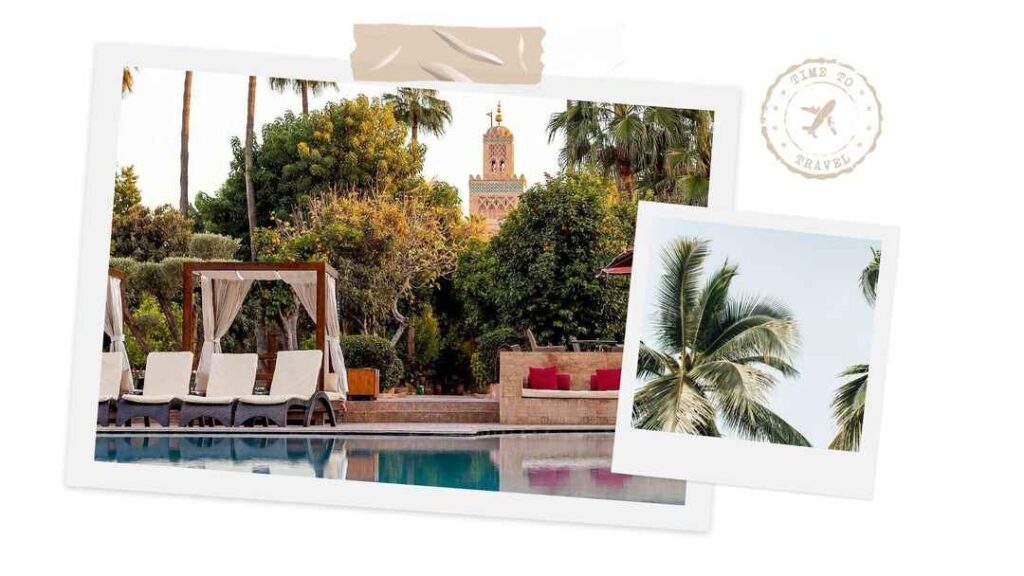
swimming pool at Hotel Riu Tikida Palmeraie

FREQUENTLY ASKED QUESTIONS: 

Where is the best part of Marrakech to stay? 

When planning your all-inclusive resort holiday in Marrakech, it’s important to know which area to look in, and this really depends on what you want to do while you’re there. So here are my recommendations:

  • The Medina: Perfect for cultural immersion, staying here gives you direct access to iconic sites like the Jemaa el-Fnaa square, the Koutoubia Mosque, and the souks. However, it can be chaotic and overwhelming for first-time visitors. 
  • The Palmeraie: Known as Marrakech’s “palm grove,” this area offers a tranquil escape with luxury resorts, spas, and golf courses. It’s ideal for couples or families looking for relaxation while staying close to the city. 
  • Hivernage: This modern district is home to chic hotels, trendy restaurants, and nightclubs, perfect for travelers who want a balance of relaxation and nightlife. 
  • Gueliz (New Town): Gueliz offers a modern, European-style vibe with shopping malls, art galleries, and international dining options. It’s ideal for those who want a less hectic experience while still being able to explore the city. 
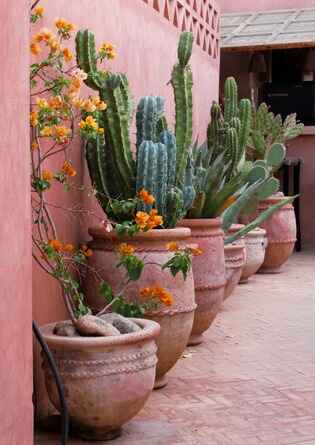
Architecture in marrakech Morocco

Is it better to stay in Agadir or Marrakech for your all-inclusive resorts in Marrakech, Morocco? 

This depends on what you’re looking for: 

  • Agadir: Known for its long sandy beaches and relaxing coastal vibe, Agadir is perfect for sun-seekers and water sports enthusiasts. The city also offers a milder climate, especially during summer, and has a more laid-back, resort-style atmosphere. 
  • Marrakech: If you’re drawn to history, culture, and the vibrant energy of Morocco, Marrakech is the better choice. With its ancient palaces, bustling markets, and rich culinary scene, Marrakech provides a more immersive Moroccan experience. 

Why not combine the two? Agadir and Marrakech are about a 3-hour drive apart, so you can enjoy both beach relaxation and cultural exploration in one trip. Click here to explore rental cars in Marrakech 

Image of a hotel resort in Marrakech Morocco

Is Marrakech expensive? 

Marrakech can cater to all budgets, and the cost depends on how you choose to travel, for example:

Budget-Friendly: Street food like tagines, couscous, and pastilla cost as little as £3-5 per meal. Affordable accommodations such as hostels or riads in the Medina start at £10 per night. Bargaining in the souks can also save you money. 

Mid-Range: Many boutique riads and hotels cost between £50-£150 per night, often including breakfast. Activities like camel rides or hammam experiences are reasonably priced. 

Luxury: High-end resorts or all-inclusive stays can cost £200-£500 per night. Fine dining and private tours add to the expense.  

How much does a 7-day vacation in Marrakech, Morocco cost? 

The cost of a 7-day trip varies widely depending on your preferences: 

  • Budget Trip: Around £400-£600 per person. This includes staying in riads, eating street food, and taking public transport. 
  • Mid-Range Trip: Approximately £800-£1,200 per person. This includes mid-range hotels or all-inclusive resorts, dining at restaurants, and joining group excursions like desert tours or cooking classes. 
  • Luxury Trip: £2,000+ per person. Expect to stay in luxury riads or 5-star resorts, indulge in spa treatments, and enjoy private guided tours or premium activities like hot air balloon rides. 

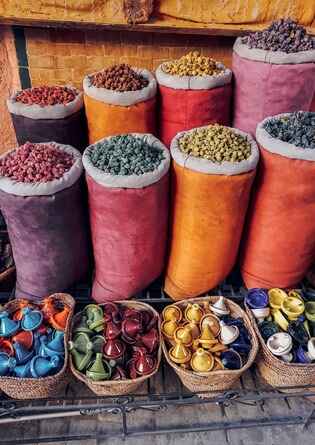
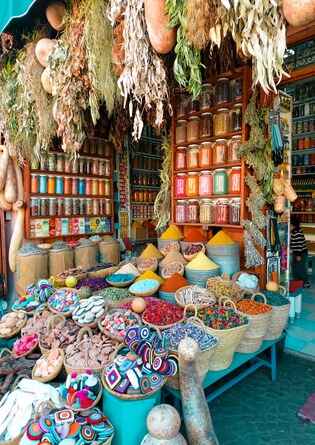
spices in centre marrakech Morocco

Is it safe in Marrakech, Morocco? 

This is something I get asked quite a lot and yes – in general Marrakech is safe for tourists, but like any destination, there are things to keep in mind: 

  • Petty Crime: Pickpocketing can occur, especially in crowded areas like the Medina. Keep your belongings secure and avoid wearing flashy jewellery. 
  • Scams: Be cautious of overly friendly locals offering unsolicited help or “free tours.” It’s often better to hire a licensed guide. 
  • Women Travellers: Women travelling solo or in groups may encounter unwanted attention, but dressing modestly and being firm yet polite usually works. 
  • Traffic: Be cautious when walking, as traffic in the Medina can be chaotic with motorbikes, carts, and pedestrians sharing narrow streets. 

For a more in-depth guide, check out my blog post on Safety Tips for Marrakech  

Decided you’d rather not go for an all-inclusive resort? Here are my top 5 non-inclusive resorts:

  1. Riad Kheirredine
  2. La Maison Arabe
  3. Oberoi
  4. Sofitel Marrakech Palais Imperial & Spa
  5. La Mamounia Marrakech 

The wrap-up: the best all-inclusive resorts in Marrakech, Morocco  

With options for every budget and travel style, Marrakech’s all-inclusive resorts are the perfect way to experience this magical city. Whether you’re sipping mint tea in a luxury pool or exploring the Medina with a guide, these resorts ensure a stress-free and unforgettable Moroccan escape. 

12 Things to Know Before Booking your Wadi Rum Bedouin Camp 

12 Things to Know Before Booking your Wadi Rum Bedouin Camp 

Home to the rich nomadic heritage of the Bedouins, Wadi Rum offers a unique blend of cultural immersion and natural beauty. Whether you’re exploring ancient inscriptions, enjoying a traditional Bedouin meal, or stargazing under the vast desert sky, Wadi Rum promises an unforgettable experience. Read on to discover everything you need to know before booking your Wadi Rum Bedouin camp adventure in this magical desert.

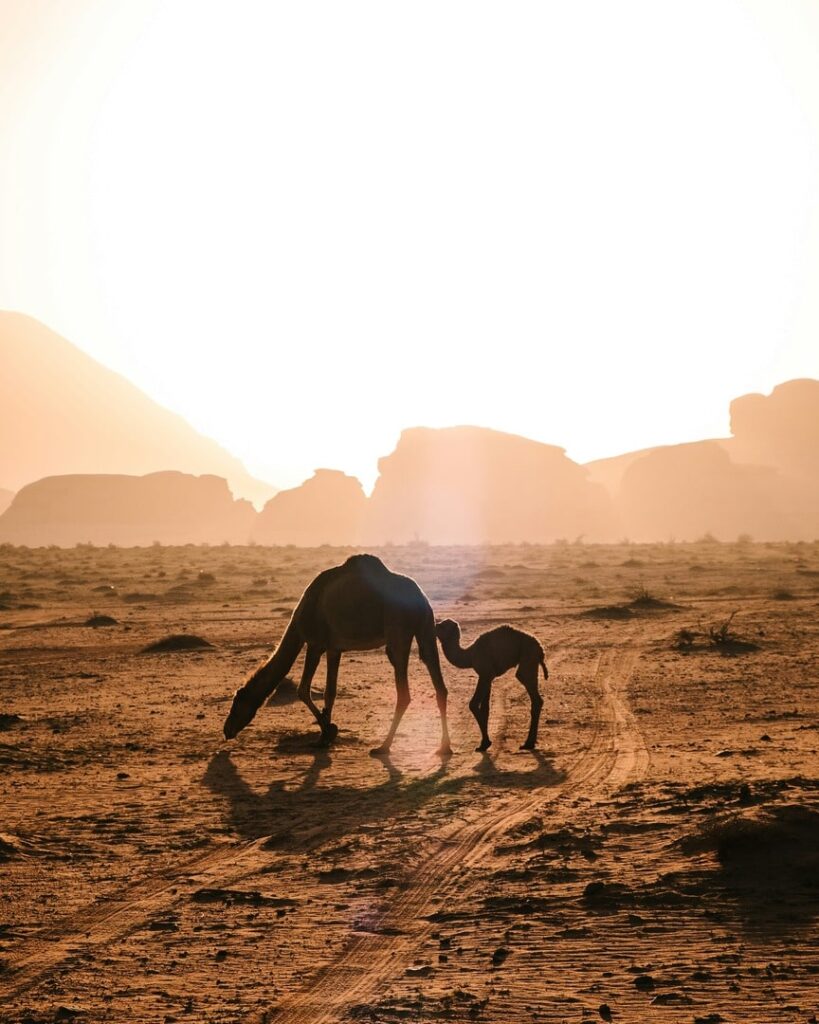
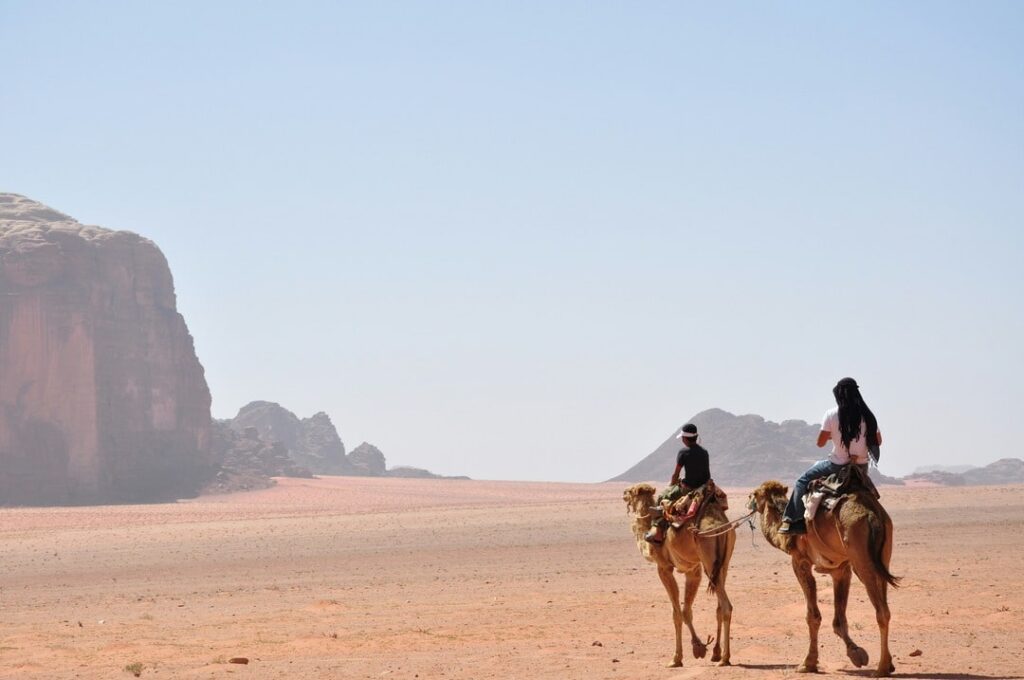
two camels in Wadi Rum
Wadi Rum Desert Jordan

Is Wadi Rum worth visiting?  

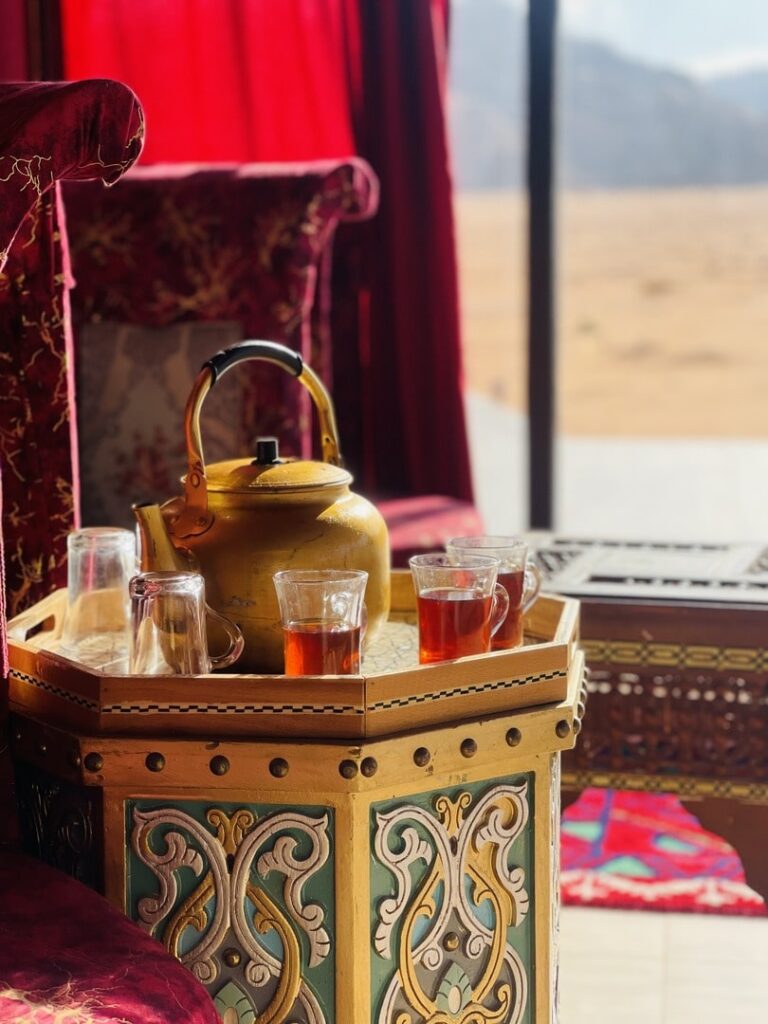
Absolutely! Jordan, often hailed as a stable pillar in the Middle East, is renowned for its warm hospitality. You’ll frequently hear the welcoming phrase, “Welcome to Jordan,” often accompanied by an invitation to share a cup of tea. With its rich history spanning thousands of years and numerous UNESCO World Heritage sites, Jordan offers a treasure trove of cultural experiences.

Among these, the UNESCO-protected Wadi Rum desert stands out. Home to the Bedouins, the “desert dwellers” who once led a nomadic lifestyle, Wadi Rum offers a deep dive into Arab culture, stunning natural landscapes, and rich history. For an unforgettable cultural experience, don’t miss out on a stay at a Bedouin Camp in Wadi Rum.

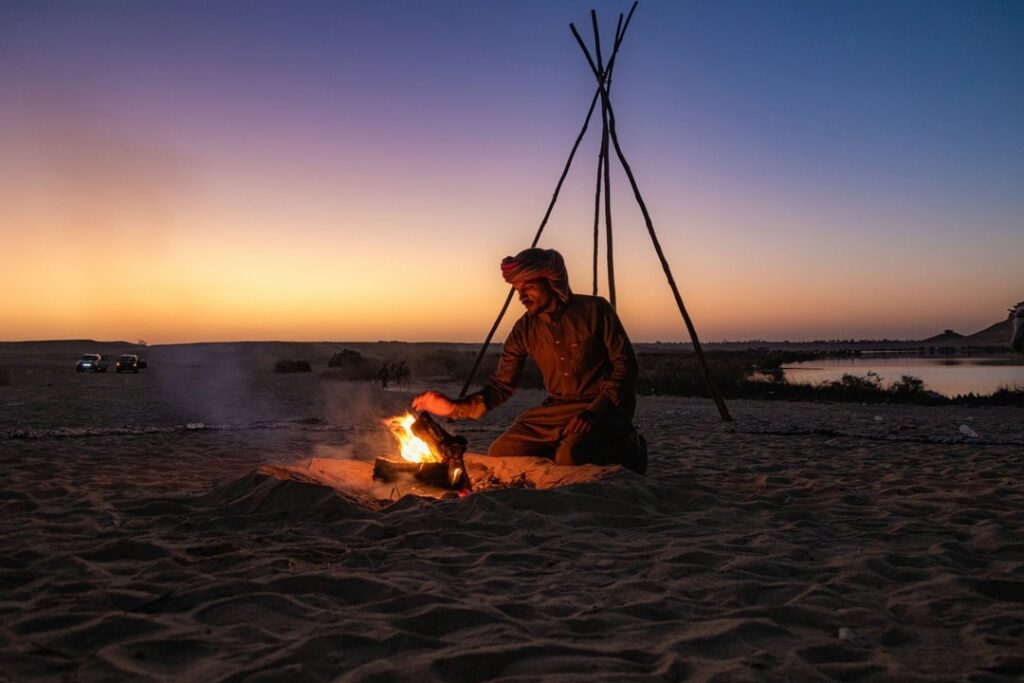
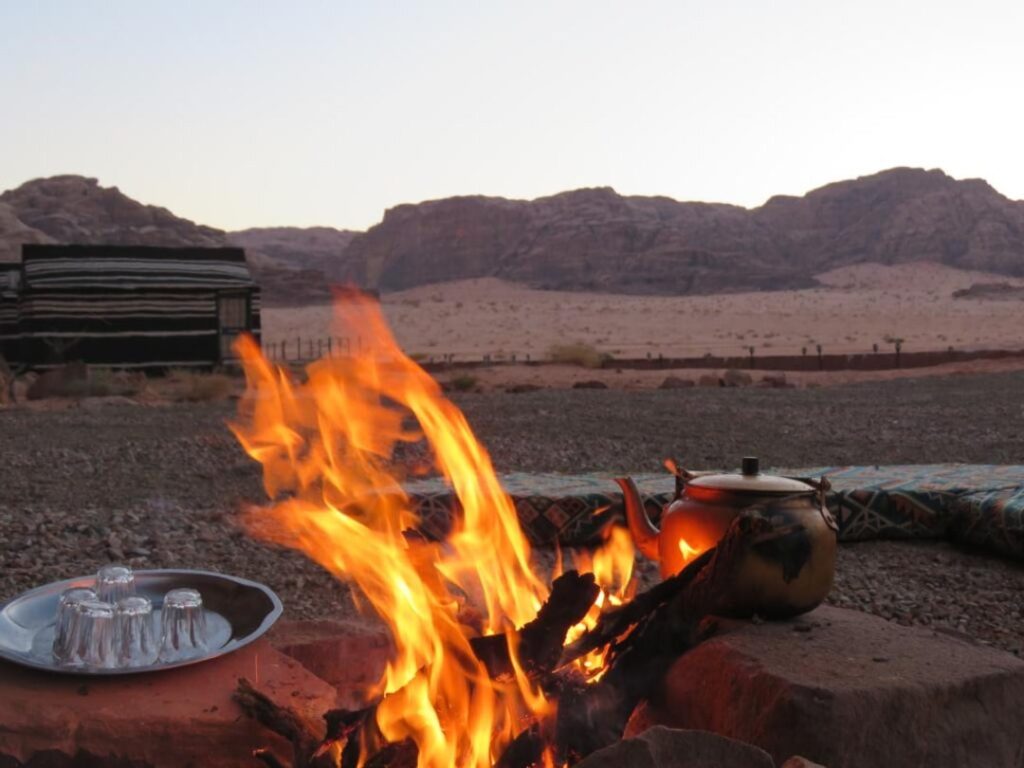
campfire in wadi rum bedouin camp

How many days should you spend in Wadi Rum?

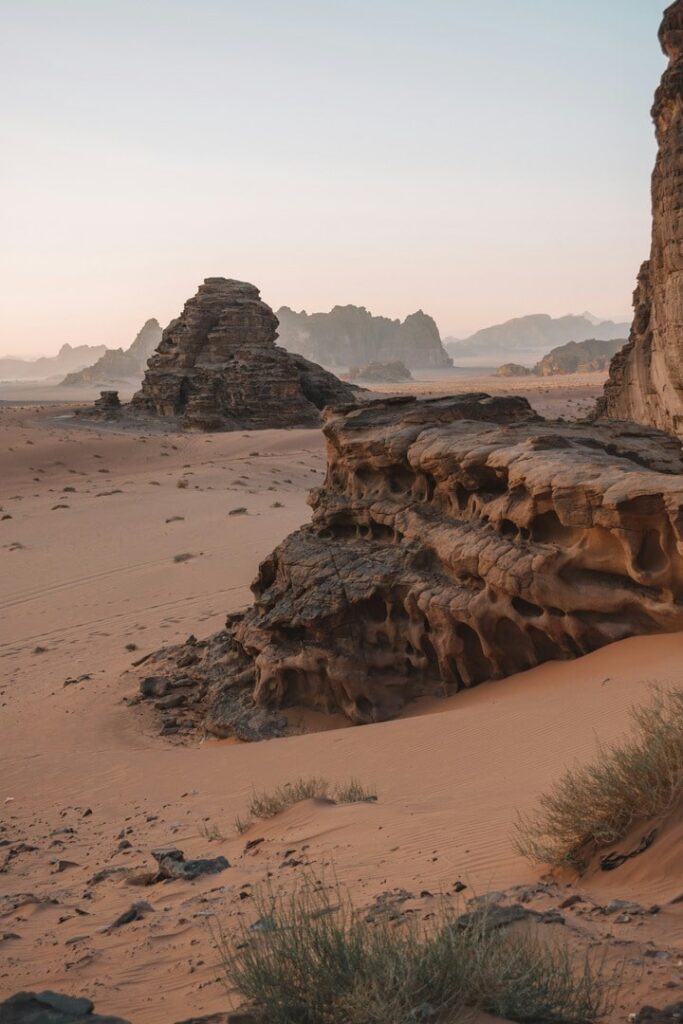
Wadi Rum, the largest valley in Jordan, spans an impressive 720 km² (280 sq mi). The mesmerizing Martian landscape with its red and white sands, changing hues, and rugged terrain, is often referred to as “The Valley of the Moon.” To truly appreciate its beauty, stay a minimum of 1 full day and 1 night.

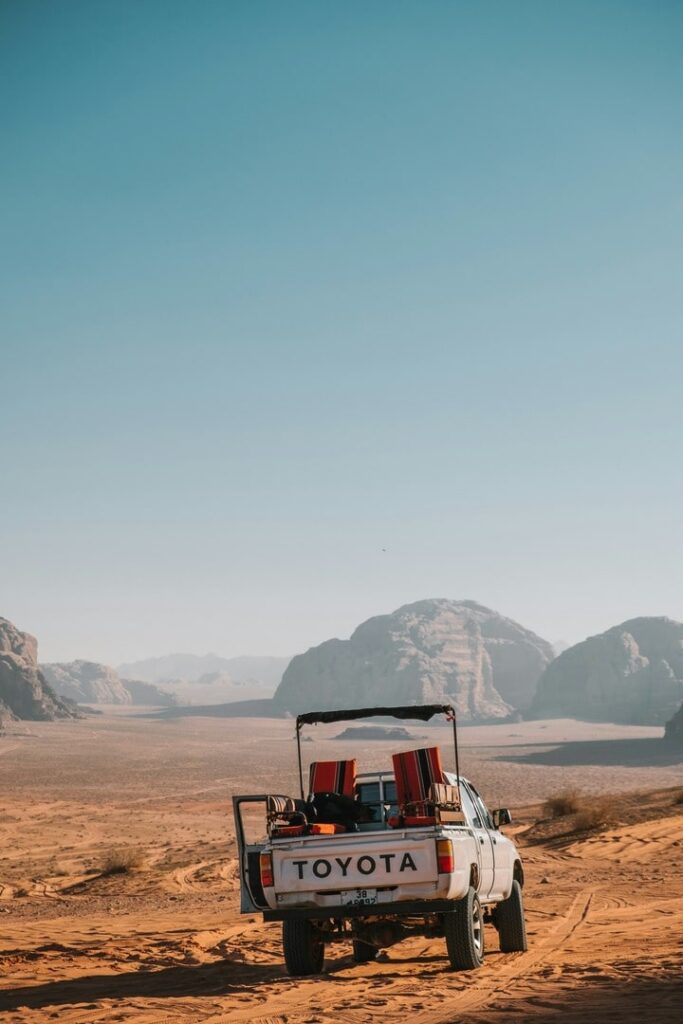
Once you’ve booked your trip, the best way to explore Wadi Rum is via a jeep tour. A half-day tour covers the main highlights, but for hidden gems and perhaps a mountain hike, opt for a full-day tour. For an immersive experience, stay overnight in a traditional Bedouin Camp, enjoy local food like Zarb, learn the “dabke” dance, or simply relax by the campfire. Wadi Rum Golden Valley offers both tours and overnight stays, but if you’re hoping to stargaze and spot the Milky Way – make sure you opt for their overnight package.


Can you explore Wadi Rum by yourself? 

While it’s possible to explore Wadi Rum solo, you’d miss out on the cultural exchange that makes the visit truly special. The Bedouins are the heart and soul of Wadi Rum, and a local guide can provide insights and experiences that you wouldn’t get otherwise. For an authentic desert adventure, camping overnight and following the guidance of a local expert, like those at Wadi Rum Golden Valley, is the way to go.

Getting around Wadi Rum

Reaching Wadi Rum village by car is fairly straightforward, thanks to a paved road from the highway. However, once in the village, roads are less maintained and bustling with jeeps, meaning its best to park at the Rest House and continue into the desert with a guide.

Navigating the desert alone is challenging and generally not recommended by the Visitors Center. The popular highlights are usually noted on the maps, but since it is an UNESCO protected area, you can only drive in certain areas. The locals know the way and know where you can and cannot drive, but for tourists it is not easy to spot these roads as they are not marked. If you must, ensure you have a 4×4 vehicle, register it at the Visitors Center, and understand the designated driving areas to protect the UNESCO site. Also be aware there’s limited mobile phone service.

Picking a tour guide for the ultimate Wadi Rum Bedouin Camp experience 

For the best Wadi Rum experience, choosing the right guide is crucial. Many Bedouin camps offer tours, so booking both your stay and tour in one place is convenient. A knowledgeable local guide can show you the highlights and hidden gems, sharing stories about the area and Bedouin lifestyle. Ensure your guide speaks English and clarify the sites included in the tour. For a reliable experience, Wadi Rum Golden Valley offers well-curated packages and tailor-made programs.

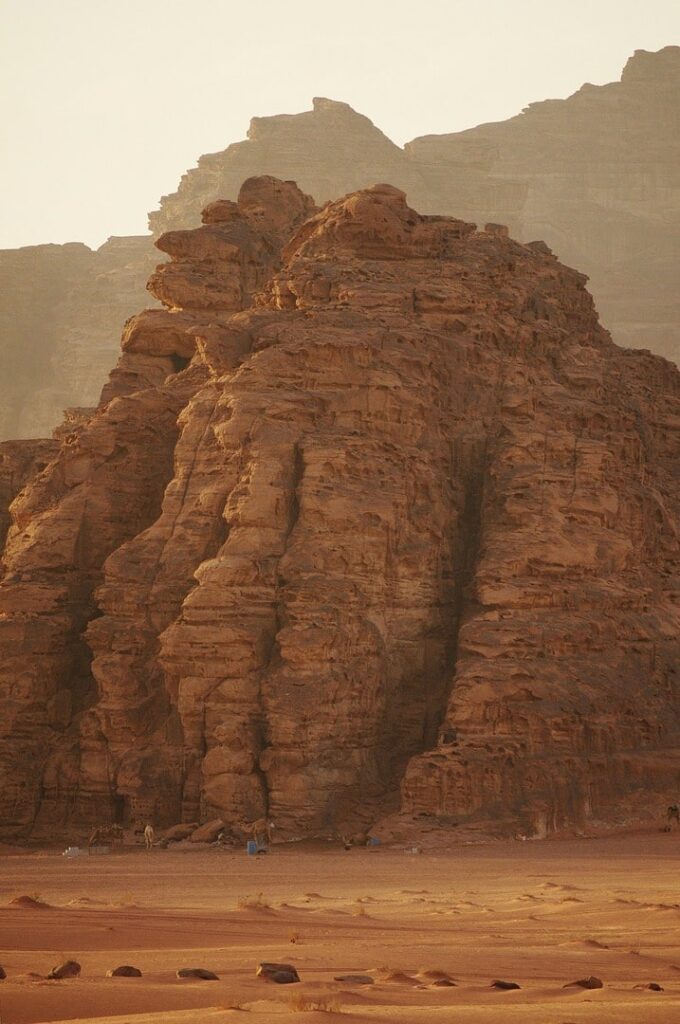
Wadi Rum landscape

What is the best experience in Wadi Rum?

A full-day jeep tour offers the most comprehensive exploration of Wadi Rum. You’ll visit significant sites like ancient inscriptions, natural springs, canyons, and sand dunes.

The tour also takes you to the quieter white desert for a stunning sunset. A highlight is the traditional lunch prepared by your guide in the desert, making it a memorable part of the day.


Is it worth staying overnight in a Wadi Rum Bedouin Camp?  

Staying overnight at a Bedouin Camp is the best way to connect with locals and soak in the desert’s tranquility. Once booked, you’ll be picked up from Wadi Rum Village and driven into the desert, experiencing the breathtaking landscape en route.

“The journey in itself is a whole experience, stepping into the jeep and driving into to red sand, seeing the panoramic landscape come to live, as you drive closer and closer to the dreamy Bedouin camp. Staying overnight in Wadi Rum gives you the time to enjoy the beauty of the desert in a more relaxed way. The best part of the night is when the lights get dimmed, and you see the sky full of stars. Just take a mattrass and lay down in the sand, counting the shooting stars.” – Ahmad, CEO & Owner Wadi Rum Golden Valley


Where to go for the best Wadi Rum Bedouin Camp Experience 

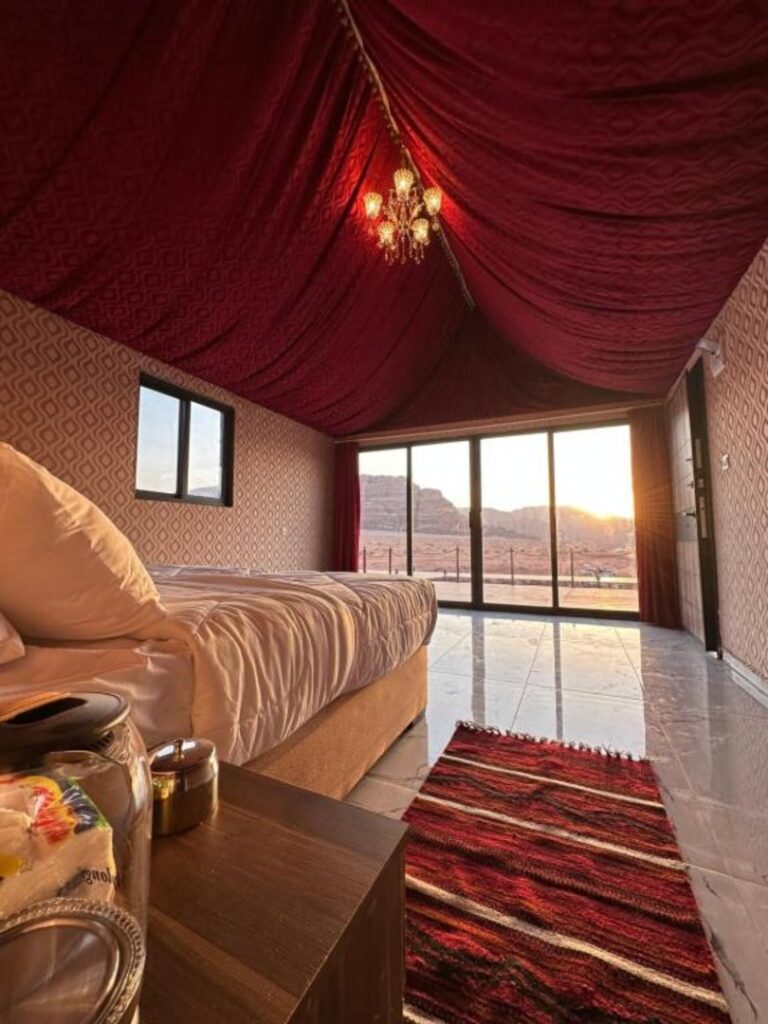
For a top-notch camping experience in Wadi Rum, head to Wadi Rum Golden Valley. This camp perfectly blends traditional Bedouin elements with modern comforts like air conditioning and private bathrooms. Ahmad Alzalabieh, the camp’s owner, combines years of experience with a passion for offering both luxury and authentic experiences. Here, Bedouin hospitality means treating guests like family, with excellent food, engaging stories, and traditional dances.

What to pay attention to when camping in Wadi Rum 

1. Staying safe in the Desert:

Always let your guide or host know where you’re going. Always bring enough water with you and always give your guide or host an number to call in case of emergency. 

2. Best time of year to visit:

The best time of year to visit Wadi Rum is from March until May and from September until November. These months offer the most pleasant temperatures. The summer months might be too hot to do activities, but the winter months can be good if you like hiking. 

3. The weather in Wadi Rum:

The desert sun is strong, so pack a hat and sunscreen! 

4. The Facilities in Wadi Rum:

Be prepared for basic facilities when touring or hiking, as there are generally no bathrooms in the desert, only at campsites. So if you’re planning to take part in a tour or hike, just be prepared for the “open air toilet” and bring wipes or toilet paper with you since most guides don’t always provide this .

5. Is it Suitable for Families/couples:

Wadi Rum is suitable for all ages, but if traveling with kids, request a suitable vehicle to ensure a comfortable ride. The 4×4 rides can be pretty rough, especially when you sit in the back with a child. 

Desert adventure in Wadi Rum

Top Bedouin Experiences in and around Wadi Rum

1. Full day jeep tour with lunch

The perfect tour if you want to explore all the highlights in Wadi Rum, including a traditional lunch and spending golden hour at a beautiful sunset viewpoint 

2. Half day jeep tour

Your best choice if you don’t have that much time, but if you still want to see the most important place of Wadi Rum, like Lawrence spring, from the Lawrence of Arabia movie.  

3. Camel ride

A camel ride is a fun activity to do with friends of children. The thrill of riding this big camel ensures everlasting memories. Camel are also very photogenetic.  

4. Stay at a Wadi Rum Bedouin camp

The best way to connect with locals and learn more about their culture and traditions. It is also nice to spend more time in the desert apart from doing a tour, this way you can really feel what it is like to be off grid for a while.  

What to pack when staying at a Wadi Rum Bedouin Camp 

  • Wear layers and bring a jacket. With an average 310 days of sunshine per year, Wadi Rum usually has pleasant temperatures by day, but cools off about 10 degrees at night.  

  • Bring a portable charger to keep your electronics powered. Bedouin camps usually have power outlets, but because most camps rely (partially) on a solar system, it can happen that the camp runs out of power at night 

  • If you are up for an adventure and want to explore the camp area by night, bring a headlamp or flashlight.  

  • Bring a book or a game. There’s not always a good Wi-Fi connection in the desert. Relax with a good book or play a game to connect and interact with locals. 

  • Many locals still prefer cash payment in Jordanian currency. Be prepared and go to the ATM at the Visitors Center in Wadi Rum, since Wadi Rum village doesn’t have ATMs. 


two camels in Wadi Rum

Top Tips from a local

Making the most of your Wadi Rum Bedouin Adventure

  1. Spend an Evening Stargazing in a local Bedouin camp 
  1. Book a 4×4 tour and go on an adventure  
  1. Ride a camel 
  1. Discover handicrafts in the shops in Wadi Rum Village  
  1. Try Zarb, the traditional underground barbecue